

Running, Walking, and Trail Running Footwear
Running shoes for training, long runs and races. In men’s and women’s versions – from soft, cushioned everyday models to lighter shoes for faster runs.

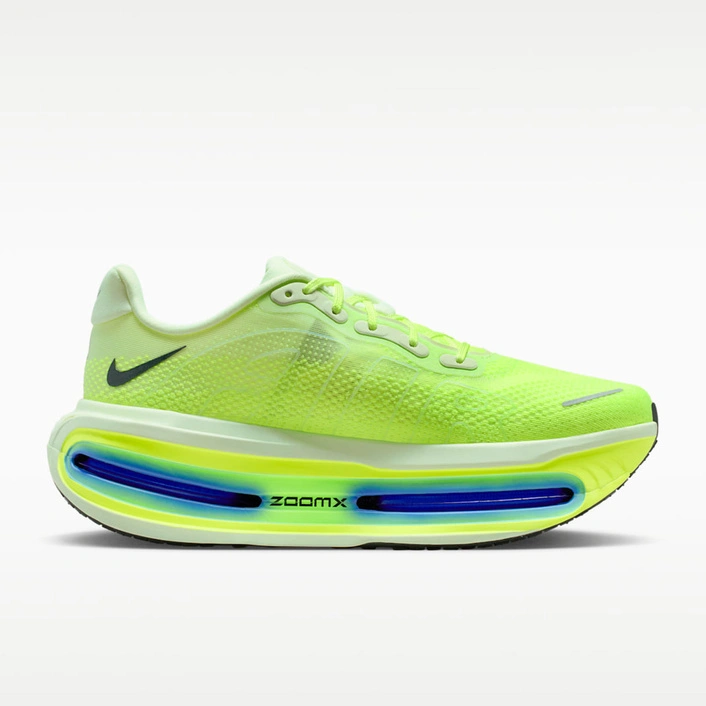

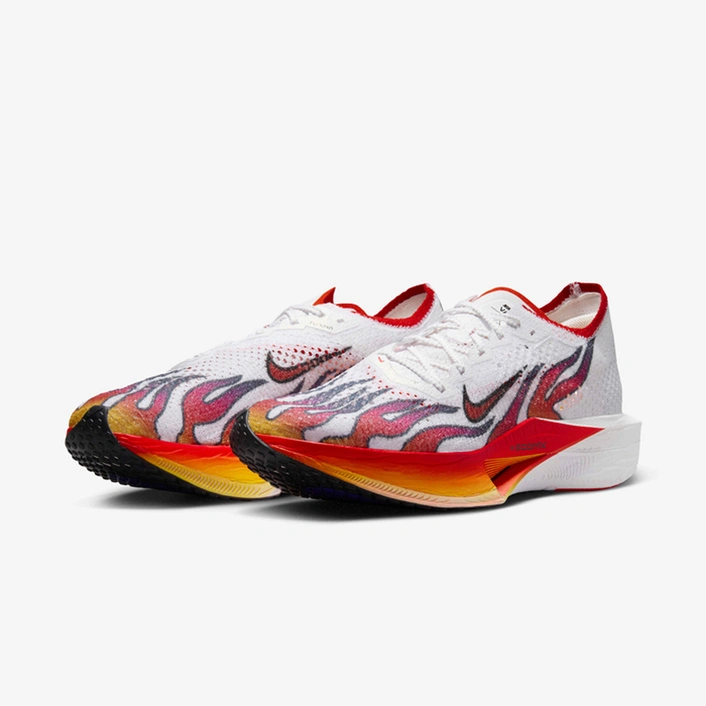
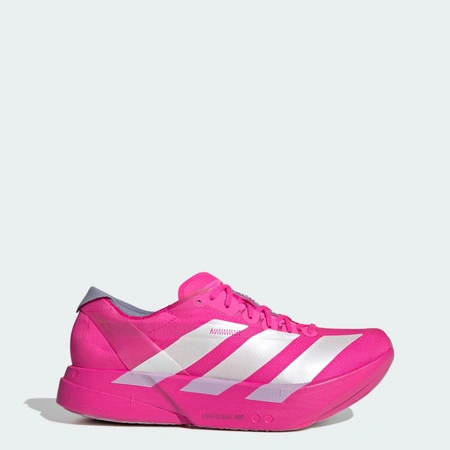
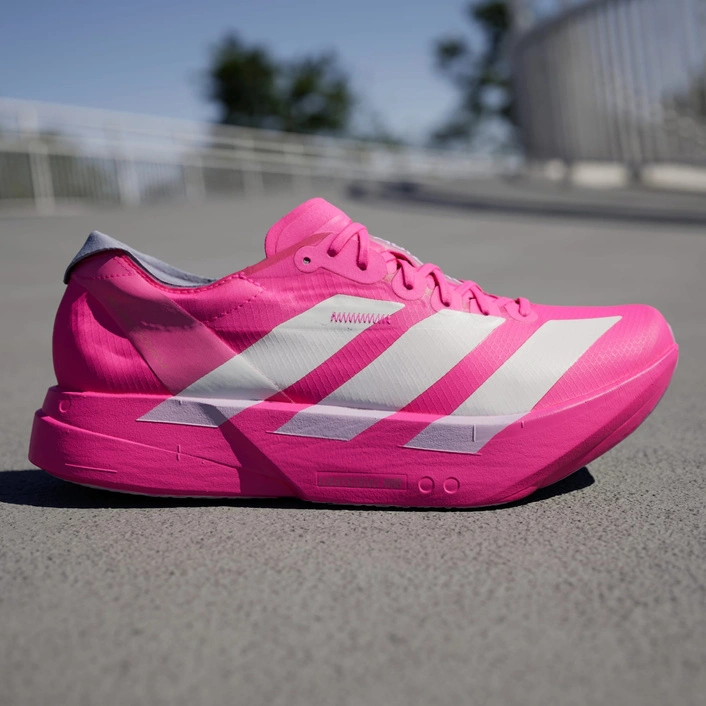
adidas Adizero Adios Pro 4 Shock Pink / Zero Metalic / Aurora Plum JR1269
adidas
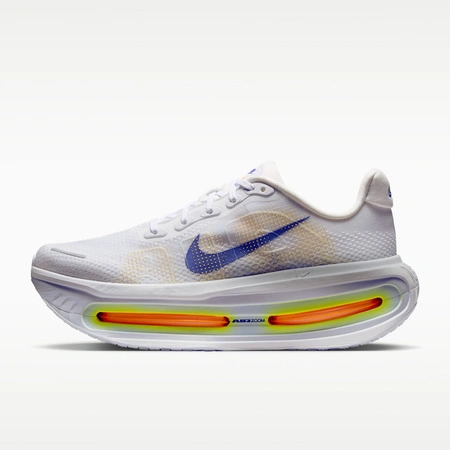
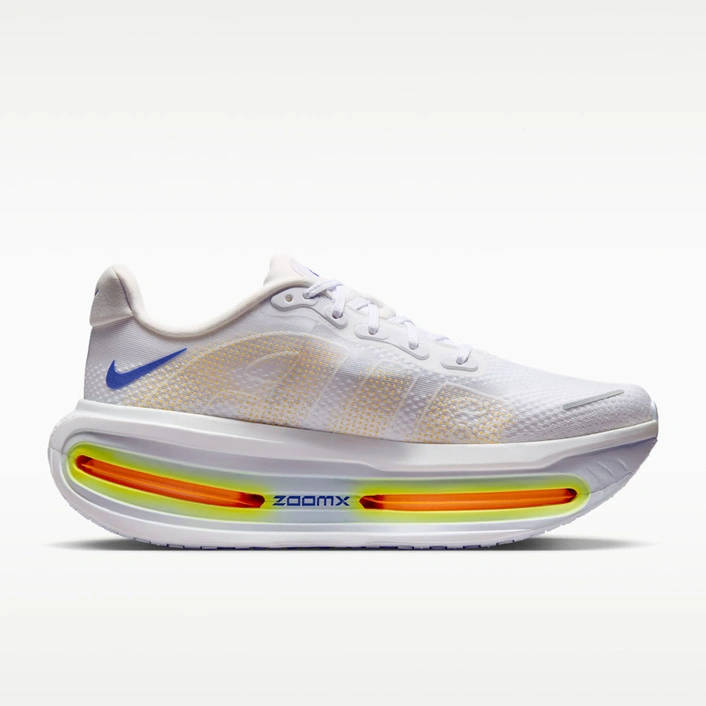
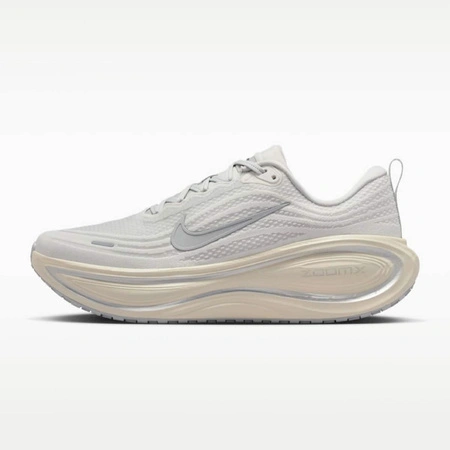
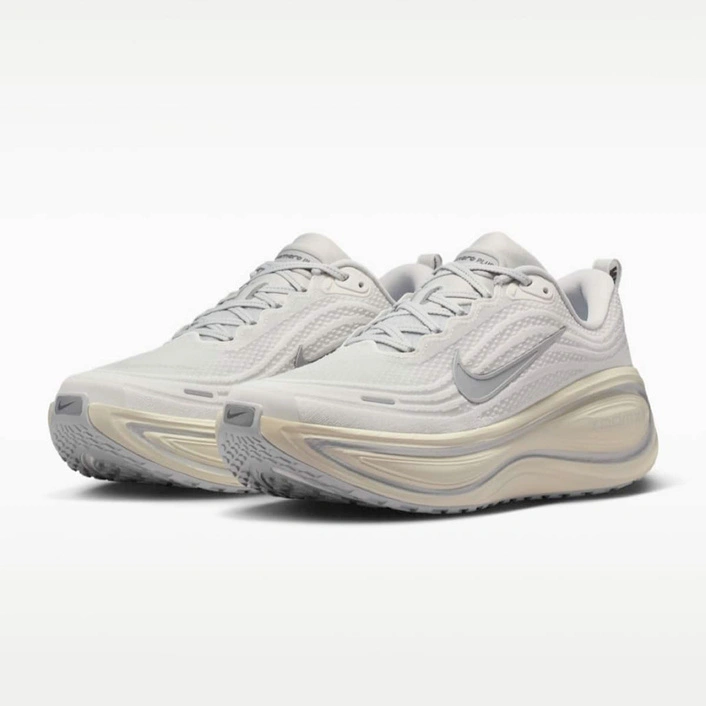
Nike Vomero Premium White Lapis Total Orange HQ2050-101
Nike
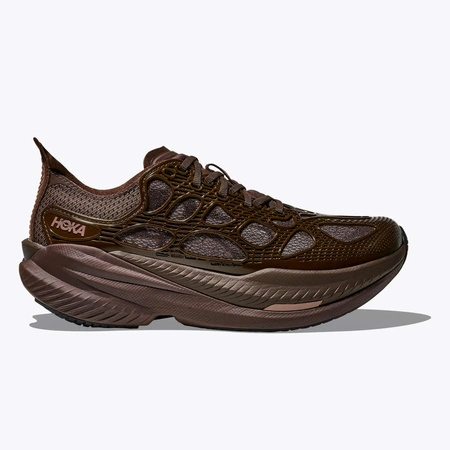
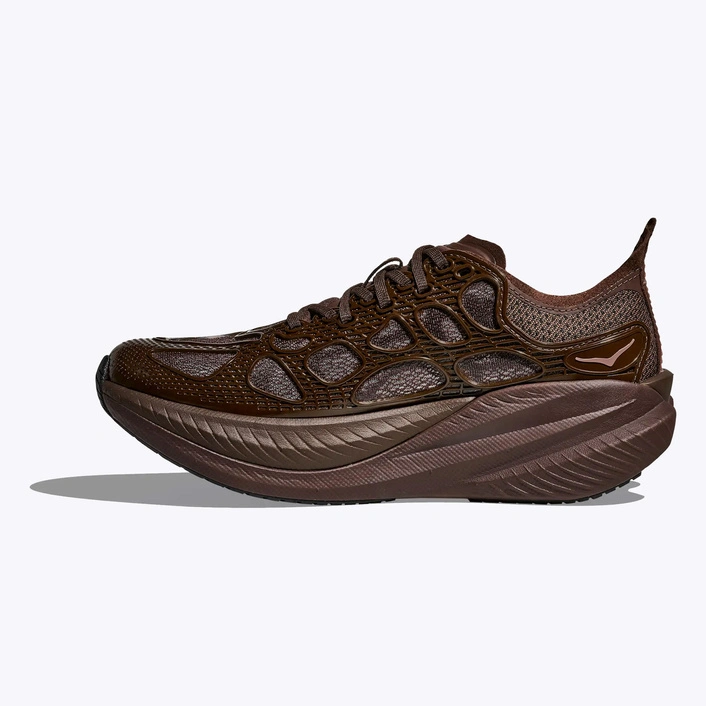
HOKA Mach X Caged Unisex Sneakers Walnut / Soaring Blue
Hoka
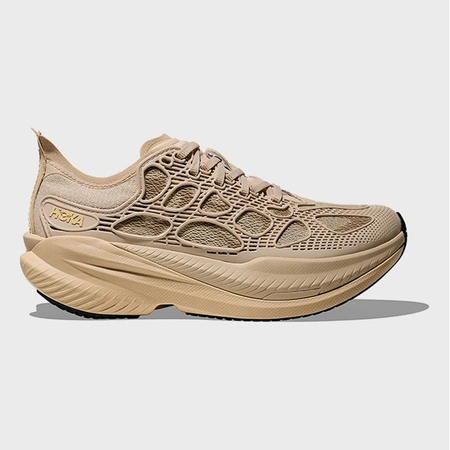
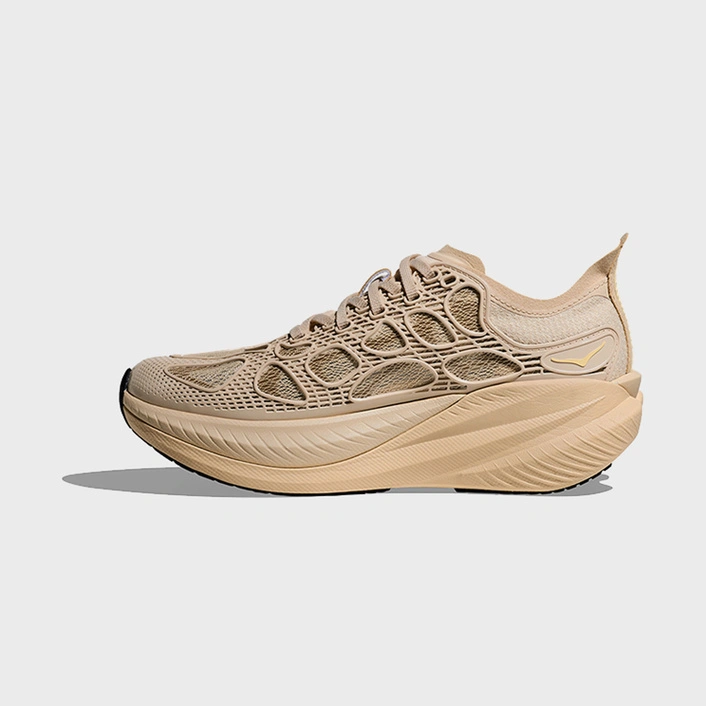
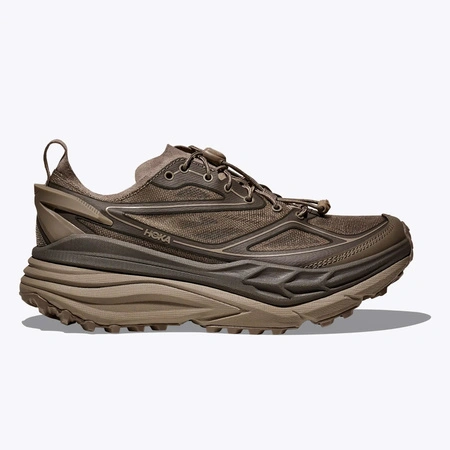
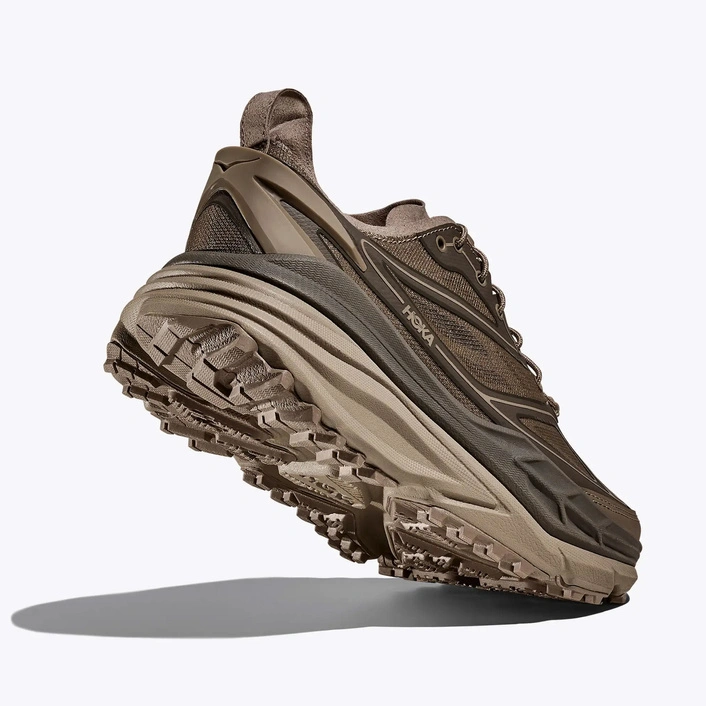
HOKA Stinson One7 Unisex Sneakers Light Roast / Asphalt
Hoka

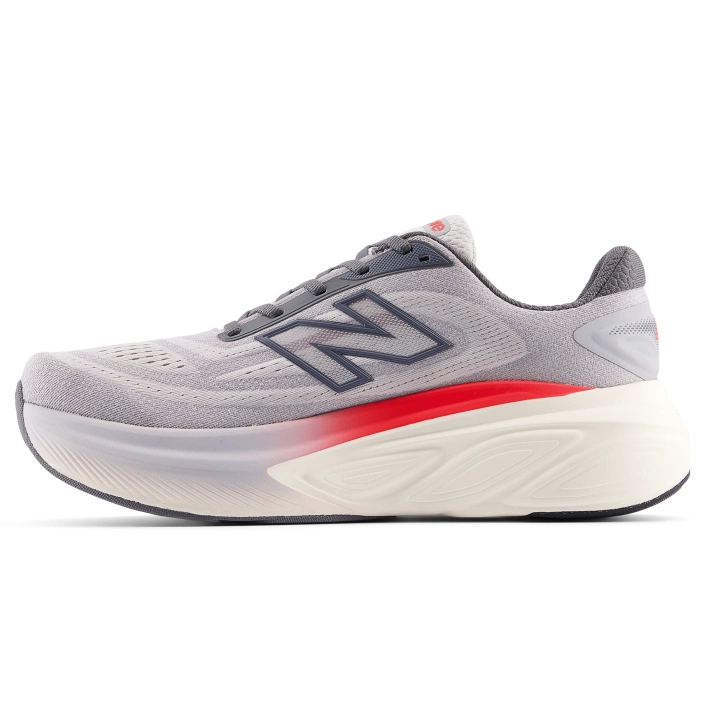

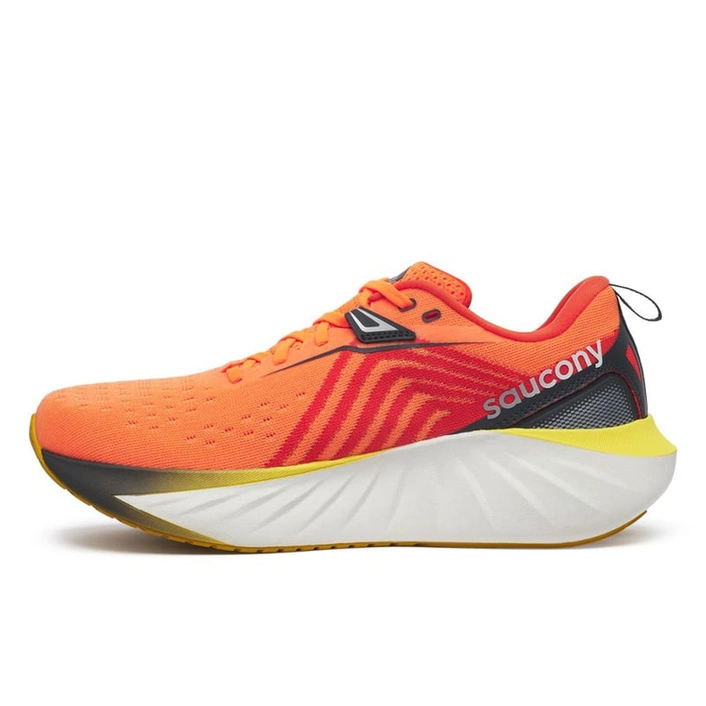

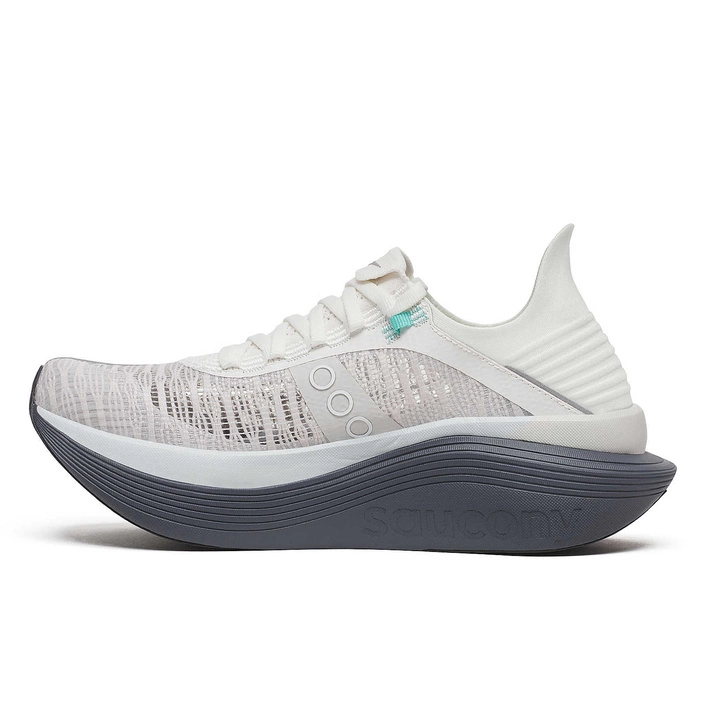

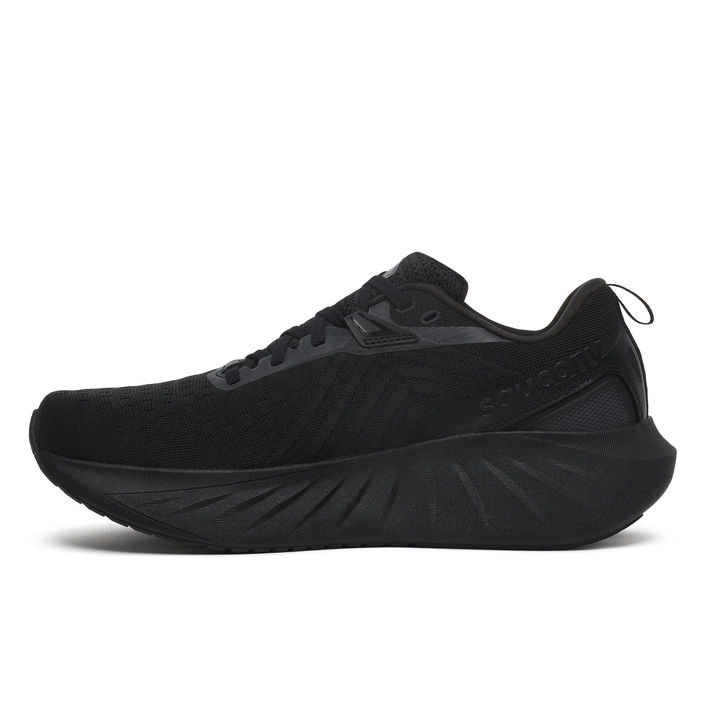
Running shoes at RunColors
In this category you’ll find training shoes for everyday miles, models with more cushioning for long runs and trail models for unpaved paths. Many models come in separate women’s and men’s versions – they differ not only in sizing but often also in foam firmness.
On – Cloudmonster, Cloudnova, Cloudsurfer
On builds its cushioning on CloudTec modules and a Speedboard, which provides a distinctive, springy rebound. The Cloudmonster is the model with the most cushioning for training, the Cloudsurfer focuses on a smooth roll-through, whilst the Cloudnova is a lifestyle version that can easily be worn for activities other than running. All feature a lightweight, breathable upper.
How to choose running shoes
Start by considering how much and how you run: for up to three sessions a week, a good neutral running shoe will suffice; for higher mileage, it’s worth having two pairs with different levels of cushioning. Running shoes are usually bought half a size larger than your everyday shoes – your feet swell whilst running. If you’re unsure about your pronation, drop us a line: we’ll advise you based on the shoes you’ve worn so far.
Neutral or with support
A neutral shoe does not interfere with the foot’s natural movement and works well for most runners. Supportive models are for people whose feet clearly roll inwards upon landing. The simplest way to check this at home is to look at the wear pattern on the soles of your current sneakers: even wear indicates a neutral gait, whilst heavy wear on the inside indicates pronation.
When to replace your shoes
The typical lifespan of a running shoe is 600–800 km, but it’s how you feel – not the mileage – that’s the real indicator: if your knees start to ache after a training session, or your feet tire more quickly than before, the foam has most likely lost its bounce. It’s worth keeping a record of the mileage for each pair. Rotating between two pairs not only extends their lifespan but also reduces the risk of overuse injuries, as it changes the distribution of stress between training sessions.
Back to the top and explore the collection at RunColors.