

Running, Walking, and Trail Running Footwear
Running shoes for training, long runs and races. In men’s and women’s versions – from soft, cushioned everyday models to lighter shoes for faster runs.
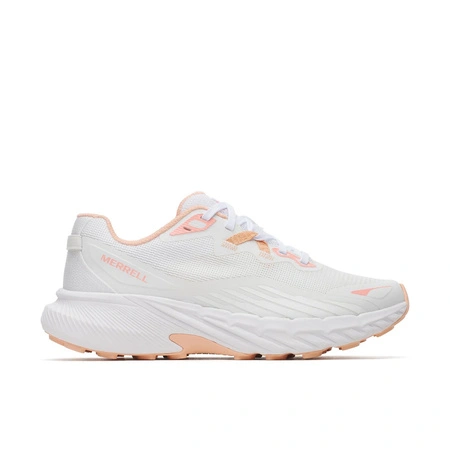
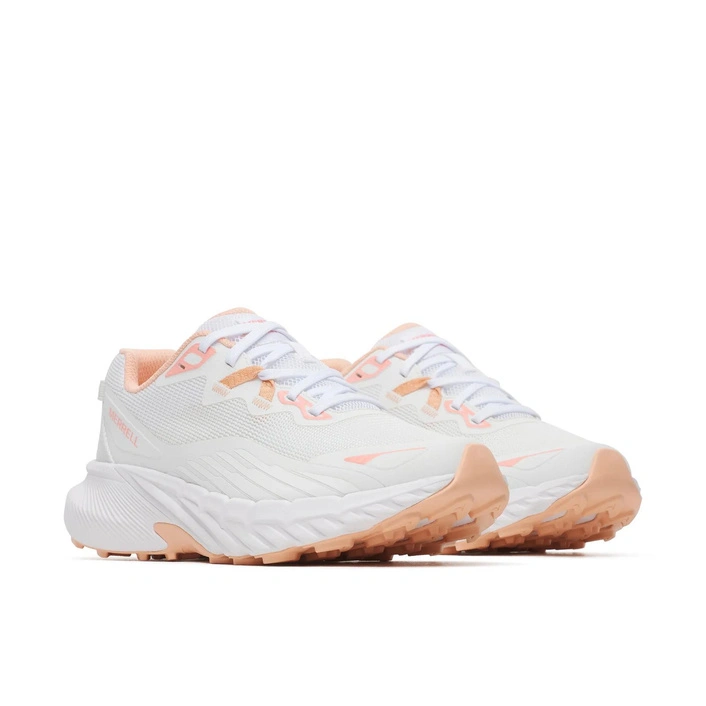
Merrell Agility Trail Women's Trail Running Shoes White/Peach
Merrell
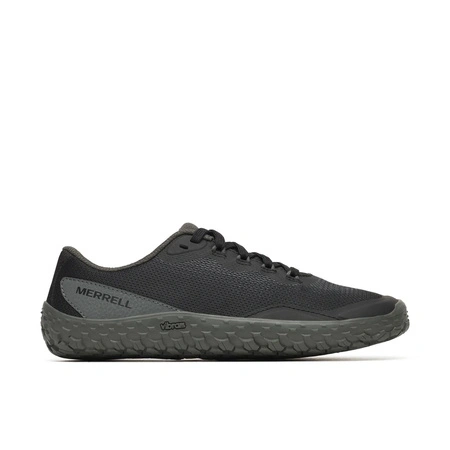
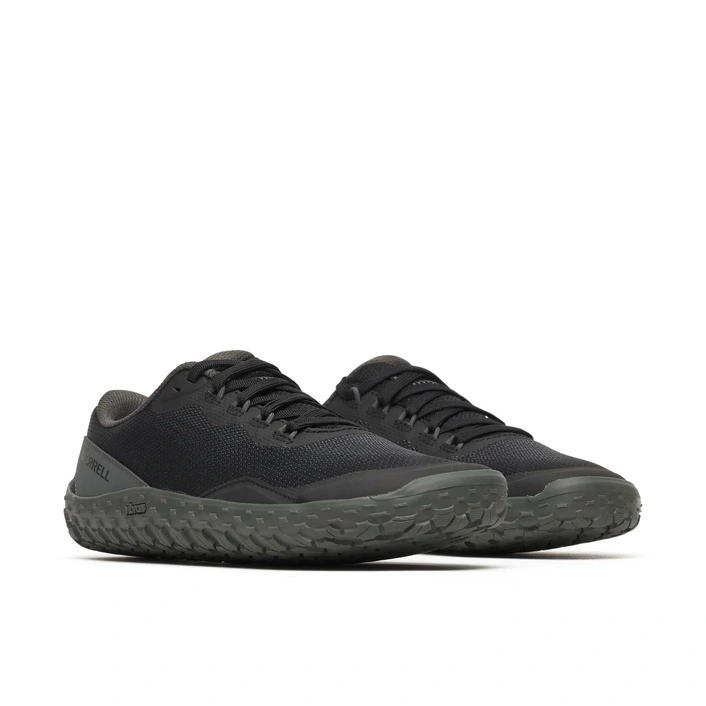
Merrell Vapor Glove 7 Women's Barefoot Shoes Black
Merrell
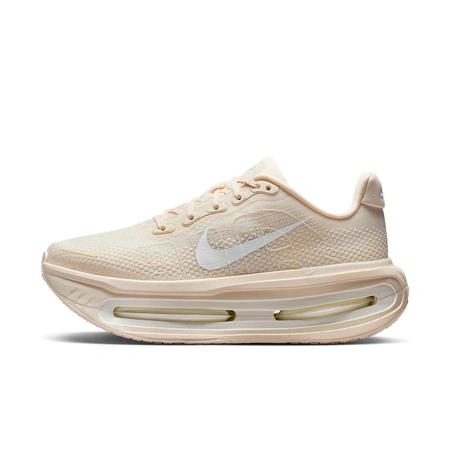
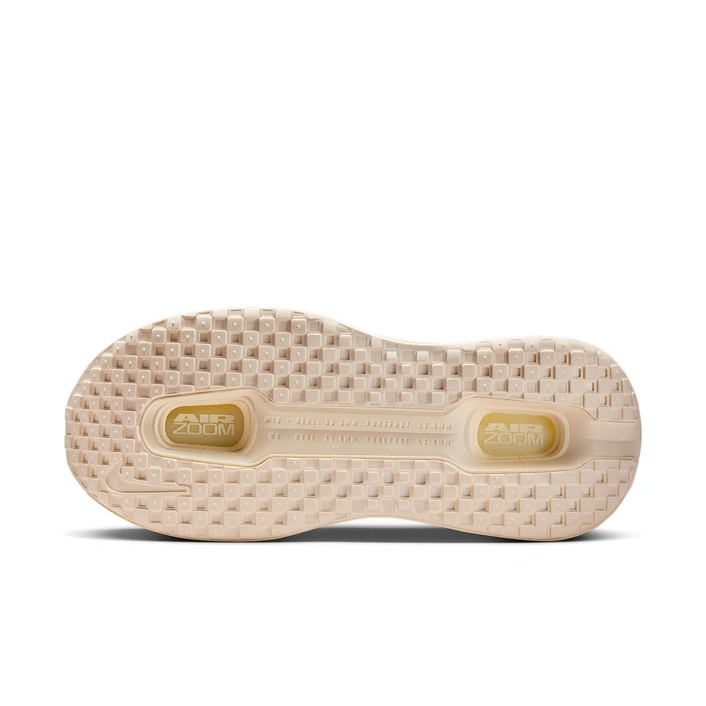
Nike Vomero Premium Women's Running Shoes Chalk/Pale Ivory/Summit White/White
Nike
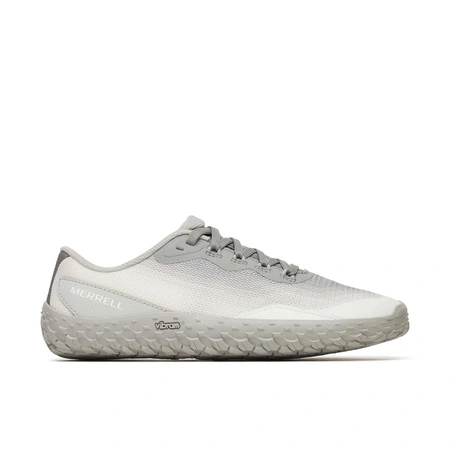
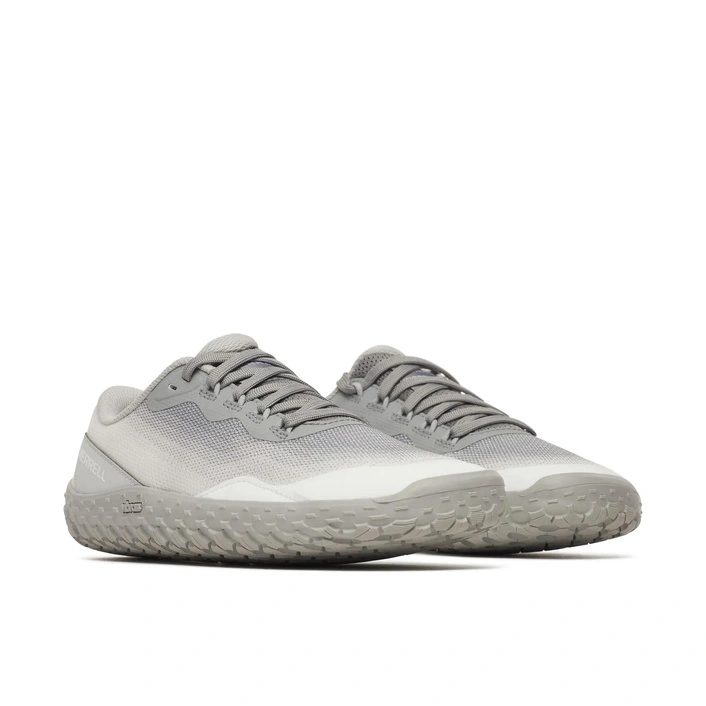
Merrell Vapor Glove 7 Women's Barefoot Shoes White
Merrell

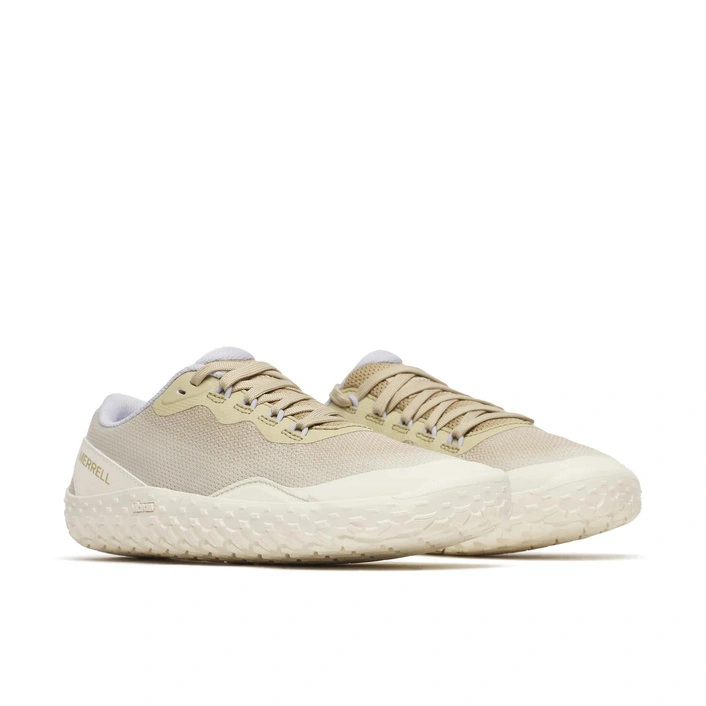
Merrell Vapor Glove 7 Women's Barefoot Shoes Stucco/Casper
Merrell

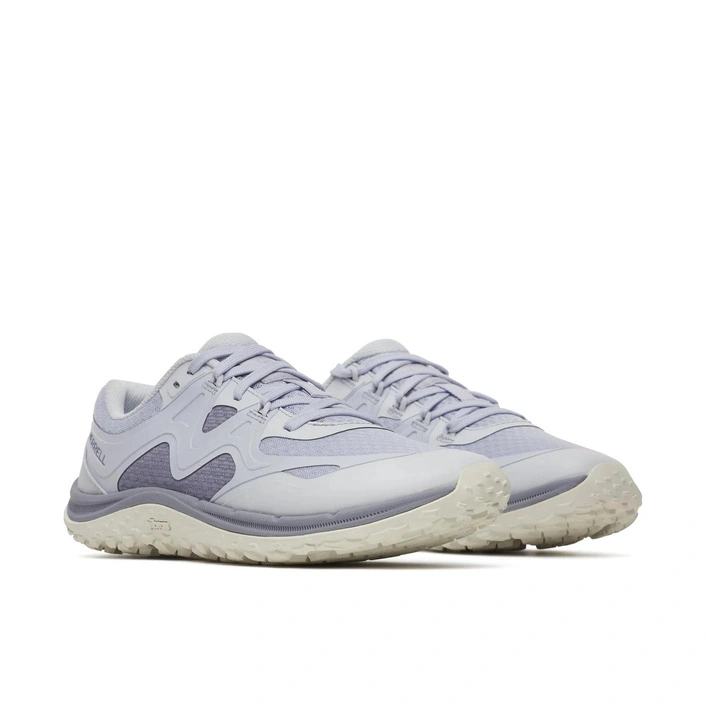
Merrell Trail Glove 8 Women's Barefoot Shoes Casper
Merrell

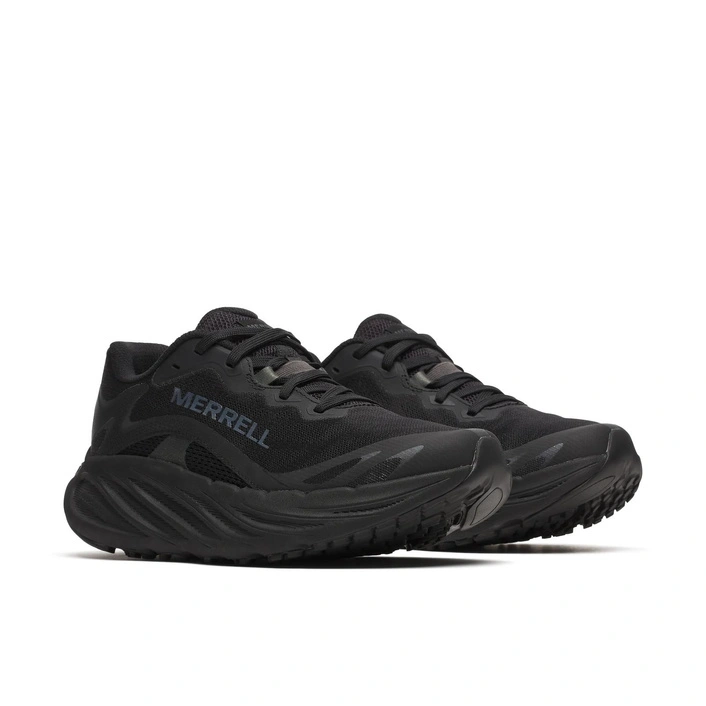
Merrell ProMorph Women's Running Shoes Black
Merrell

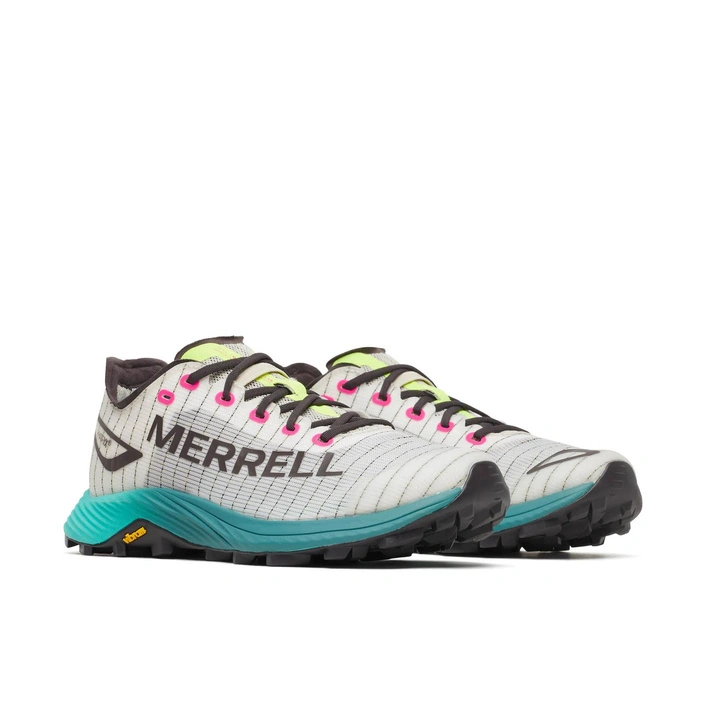
Merrell MTL Long Sky 2 Matryx Women's Trail Running Shoes Flashdance
Merrell

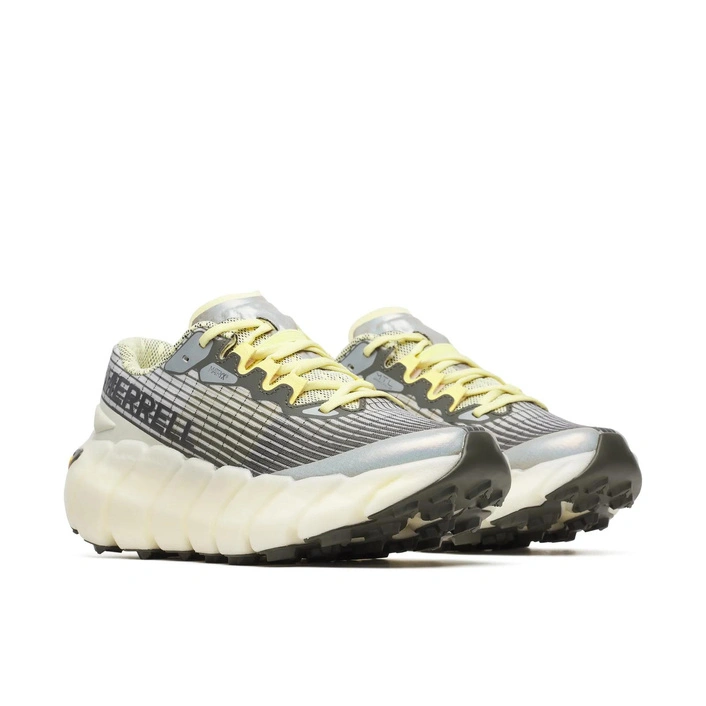
Merrell MTL Adapt Matryx Women's Trail Running Shoes Limone/Beluga
Merrell
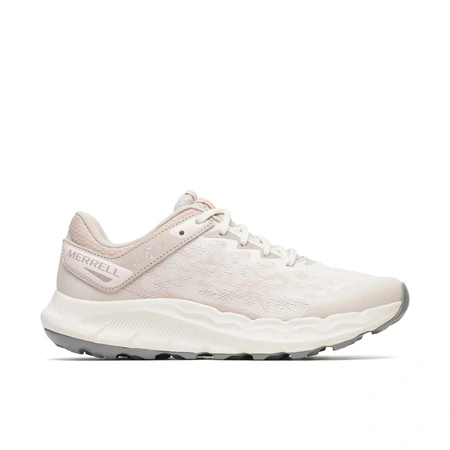
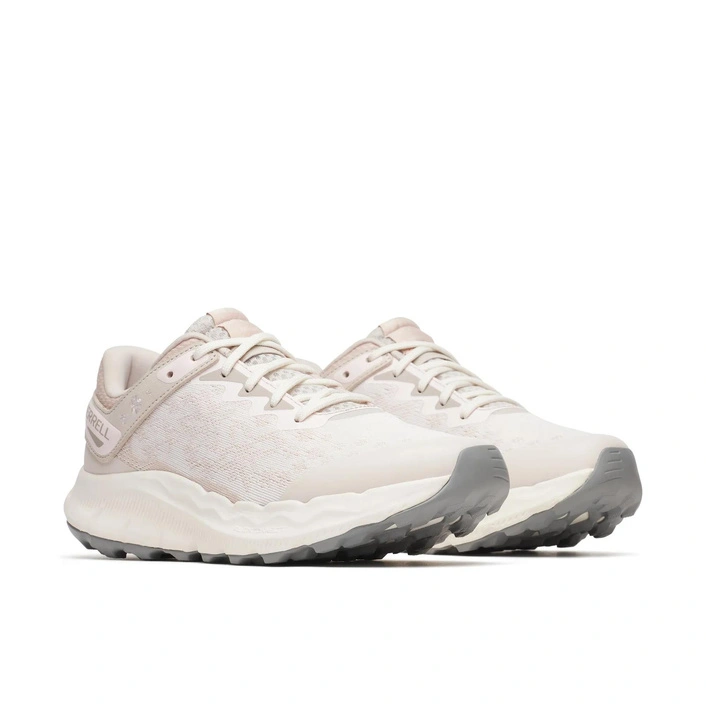
Merrell Antora 4 Allure Women's Trail Running Shoes Chalk/Rosa
Merrell
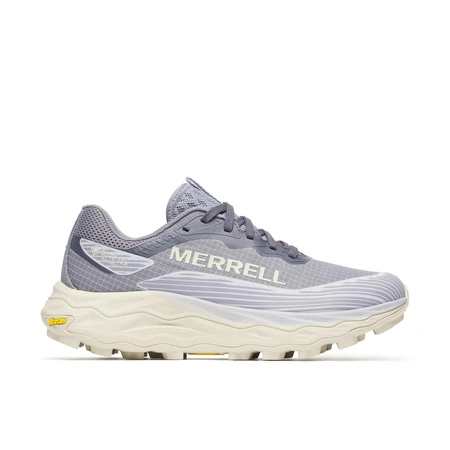
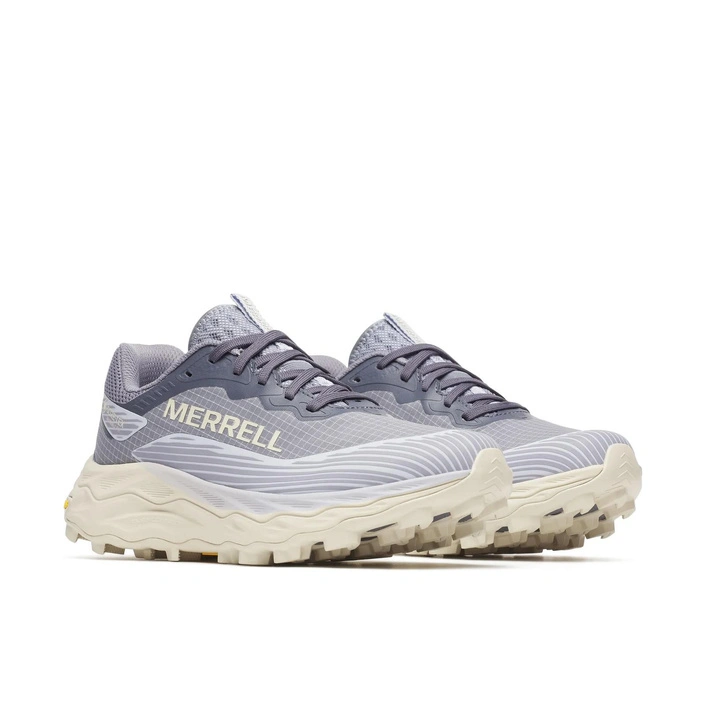
Merrell Agility Peak 6 GORE-TEX® Women's Trail Running Shoes Lost Lilac
Merrell

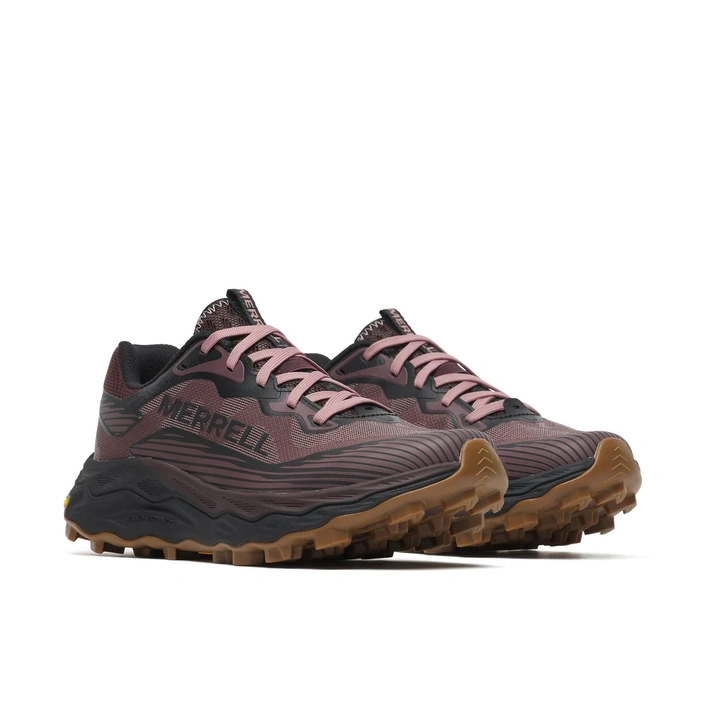

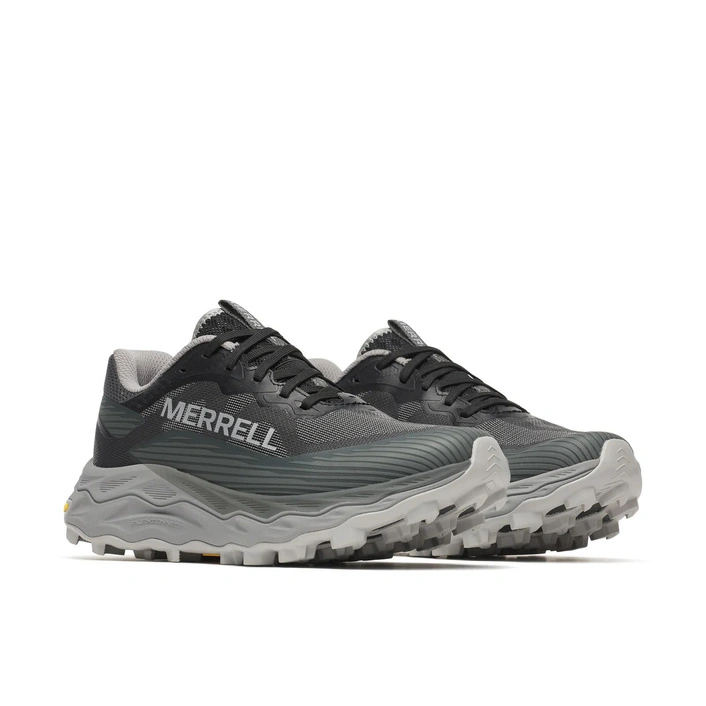
Merrell Agility Peak 6 Women's Trail Running Shoes Black
Merrell
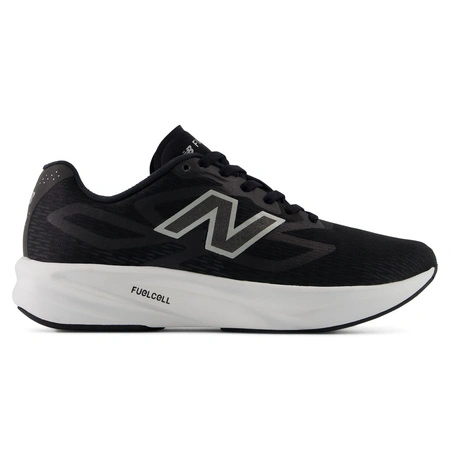
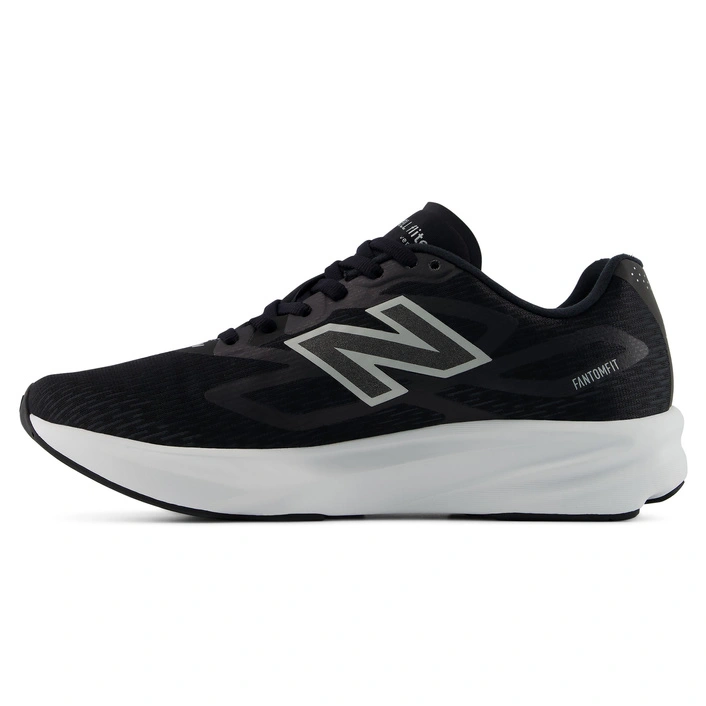
New Balance Flite-R WFLTR9DM
New Balance
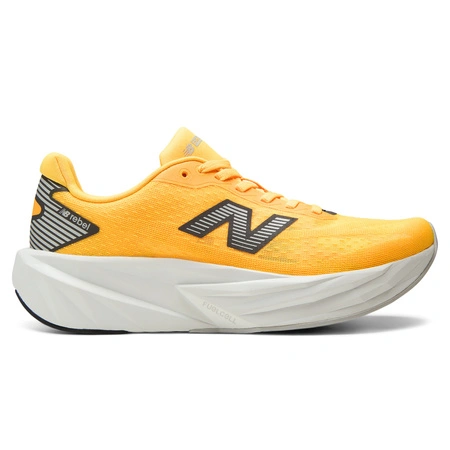
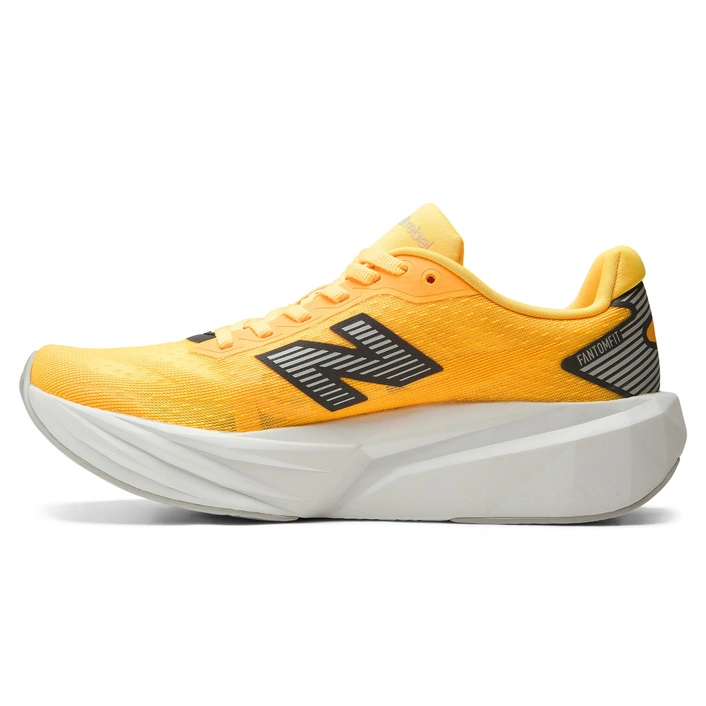
New Balance FuelCell Rebel v5 WFCX2C3
New Balance

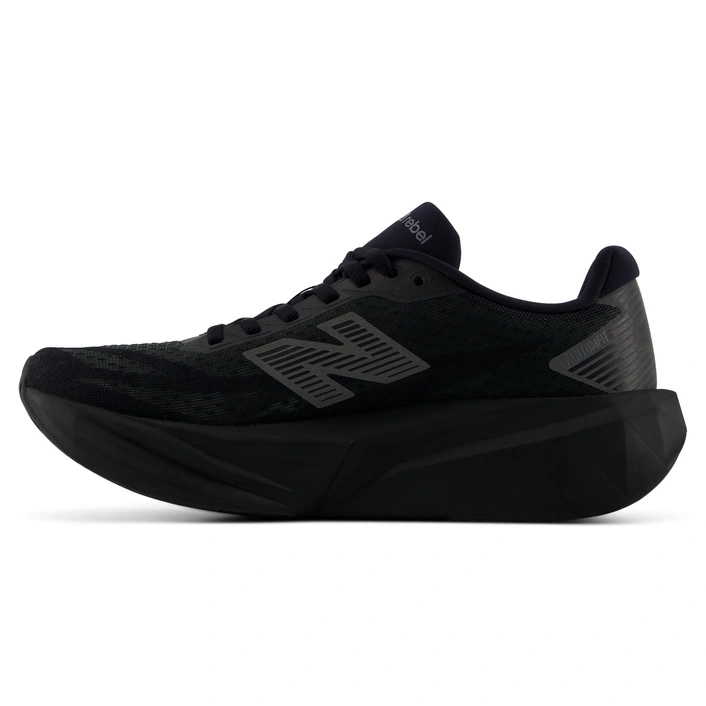
New Balance FuelCell Rebel v5 WFCX7X9
New Balance


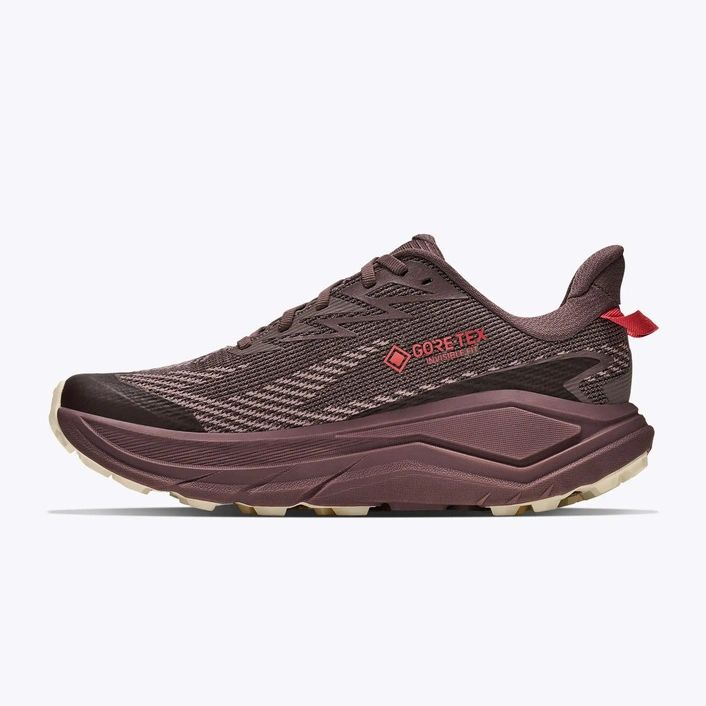
HOKA Challenger 8 GORE-TEX Women's Trail Running Shoes Smoky Quartz/Alabaster
Hoka

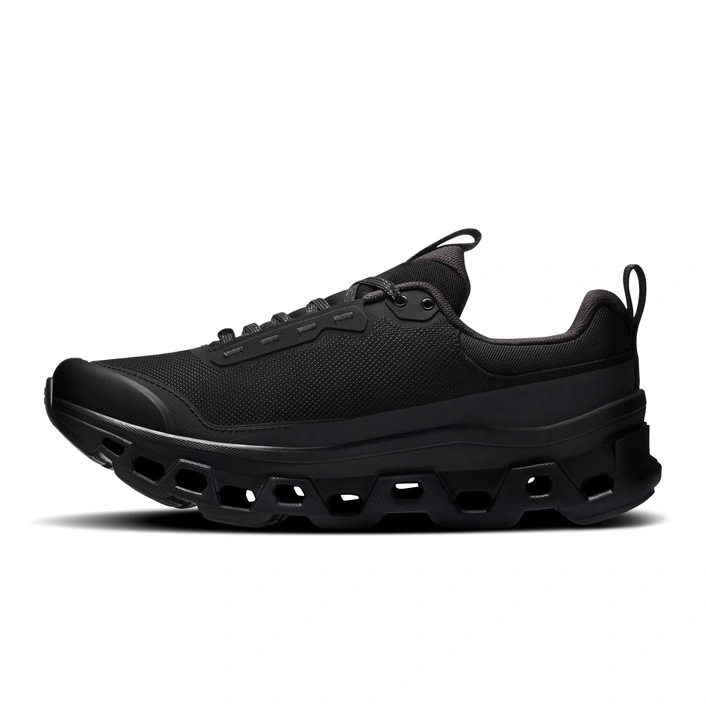

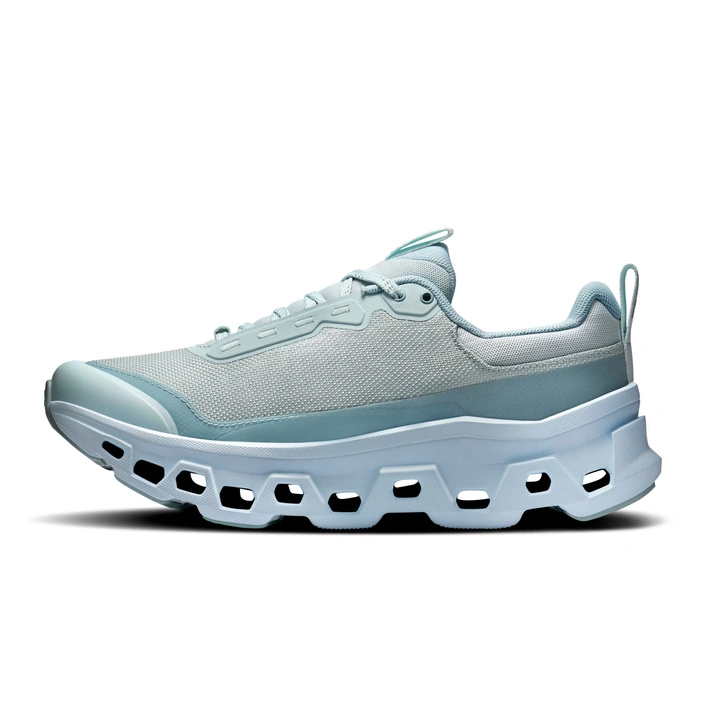
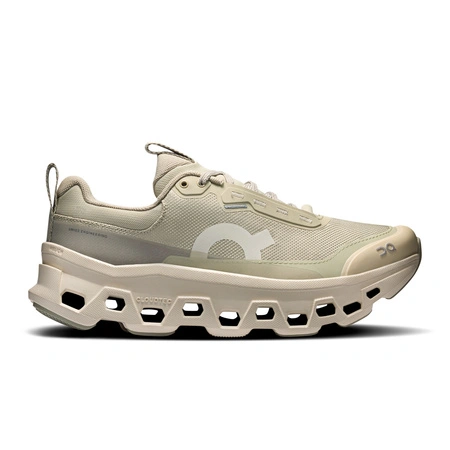
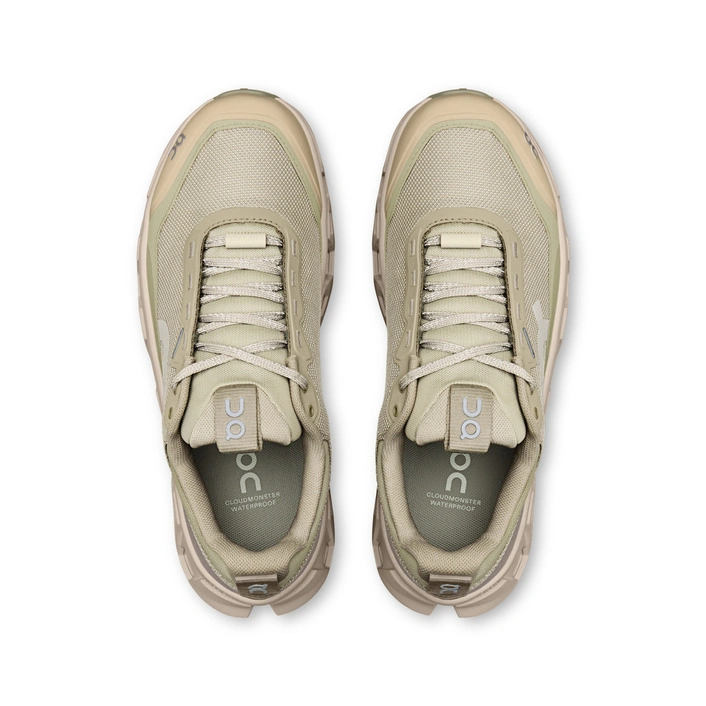
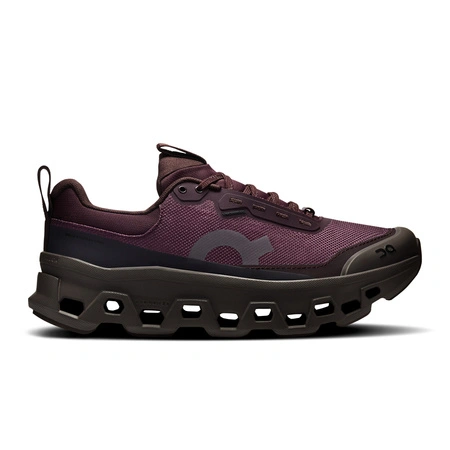
On CLOUDMONSTER 1 Waterproof Brook-Seaglass 3WG10635382
On
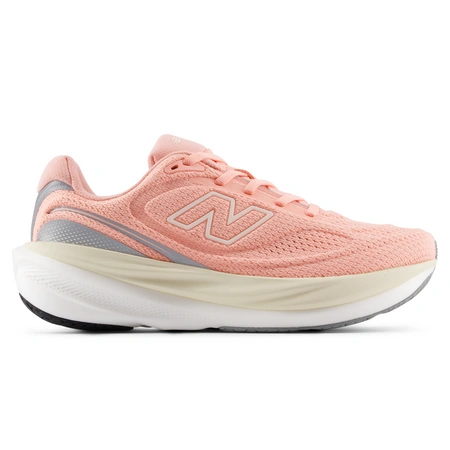
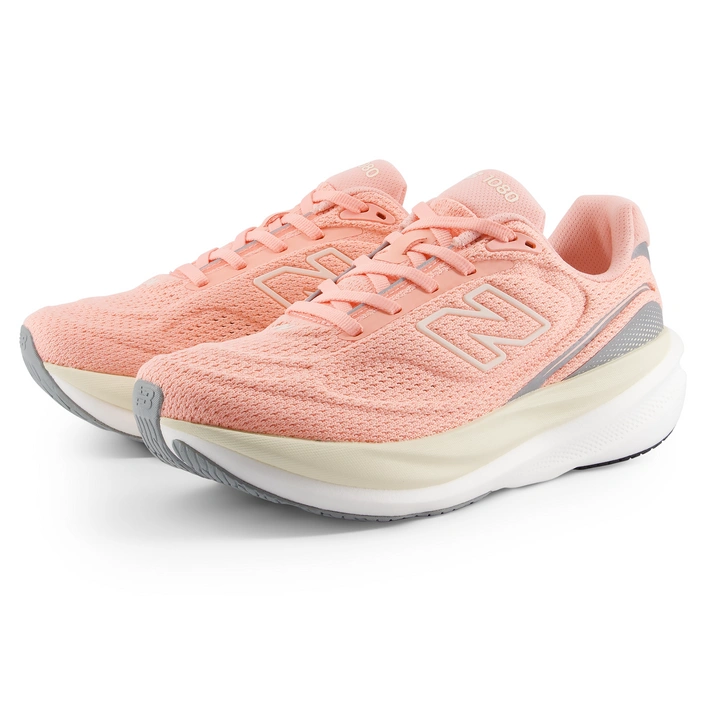
New Balance Women's Running Shoes Infinion 1080 v15 W10808T4
New Balance

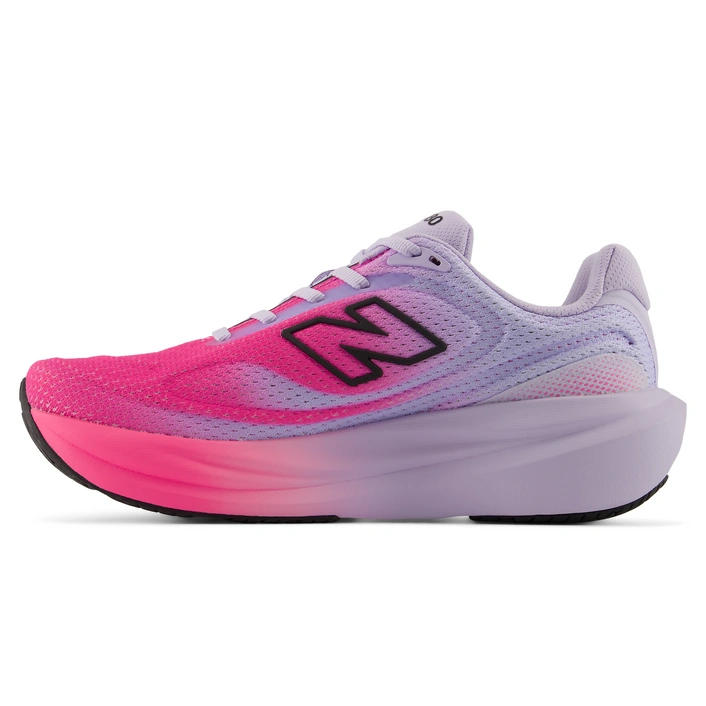
New Balance Women's Running Shoes Infinion 1080 v15 W10802VT
New Balance

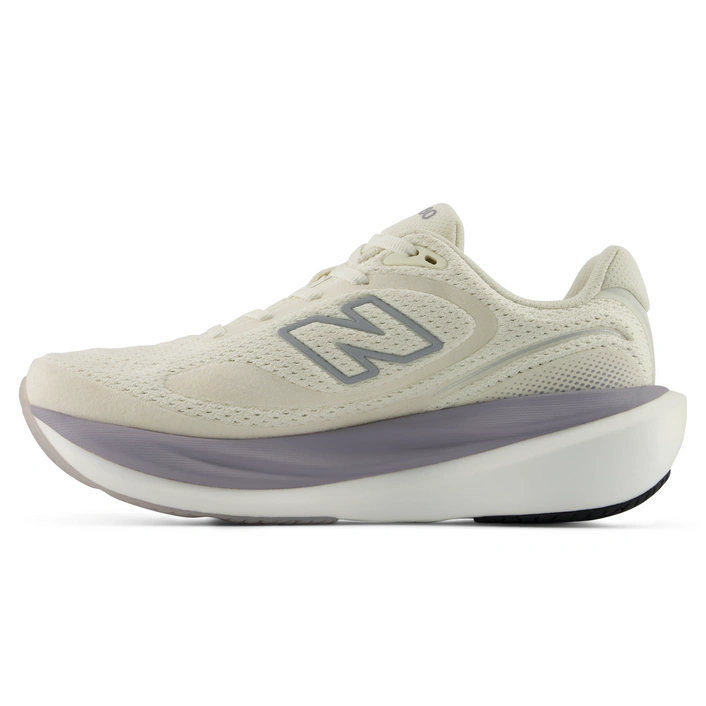
New Balance Women's Running Shoes Infinion 1080 v15 W10804VQ
New Balance

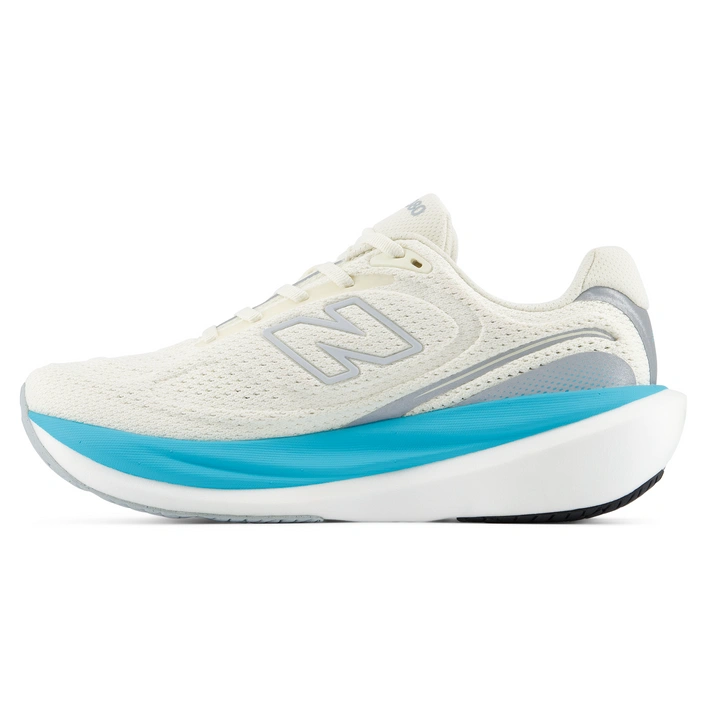
New Balance Women's Running Shoes Infinion 1080 v15 W10805VJ
New Balance
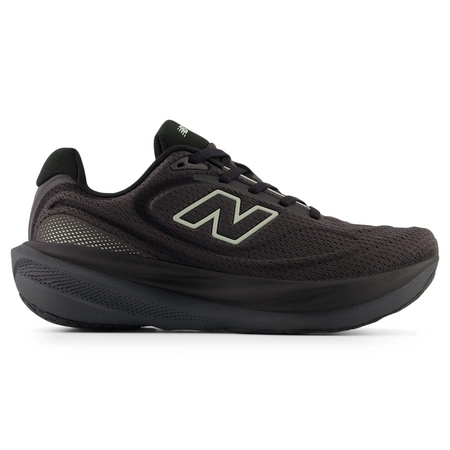
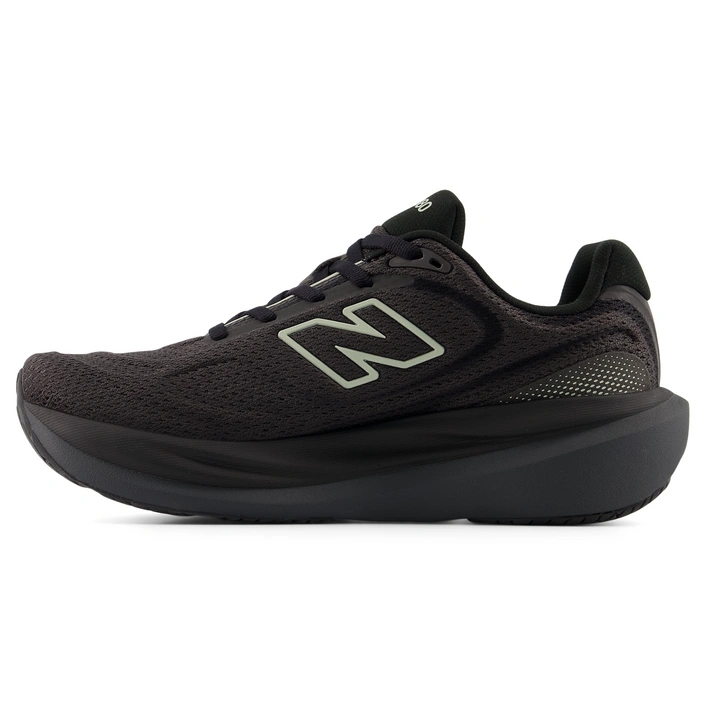
New Balance Women's Running Shoes Infinion 1080 v15 W10803AW
New Balance
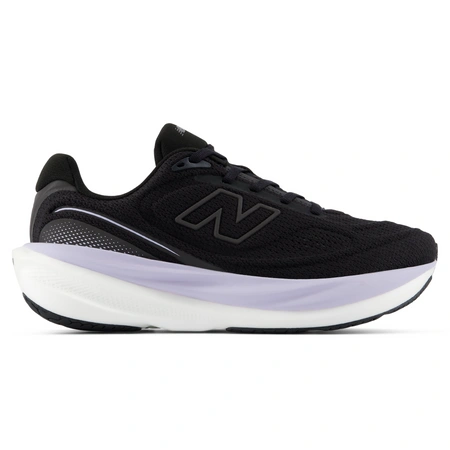
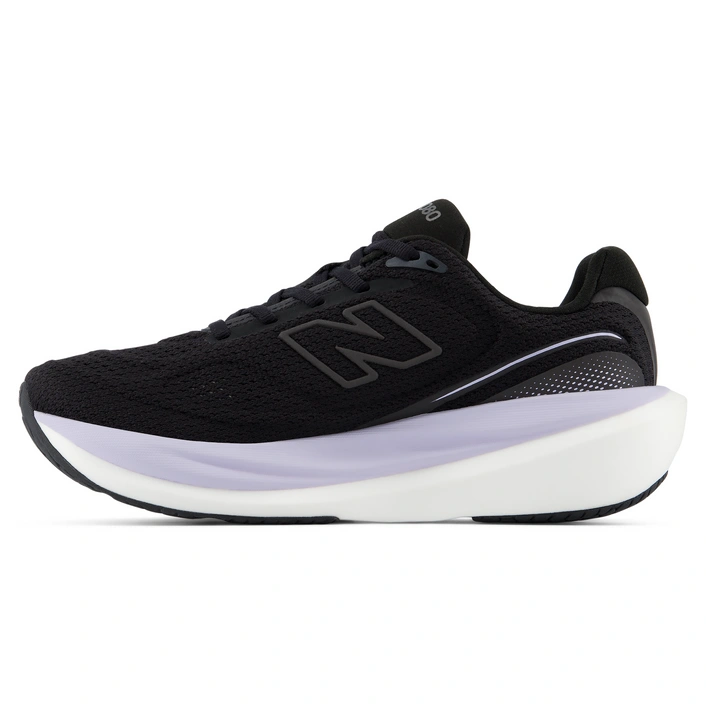
New Balance Women's Running Shoes Infinion 1080 v15 W10804NB
New Balance
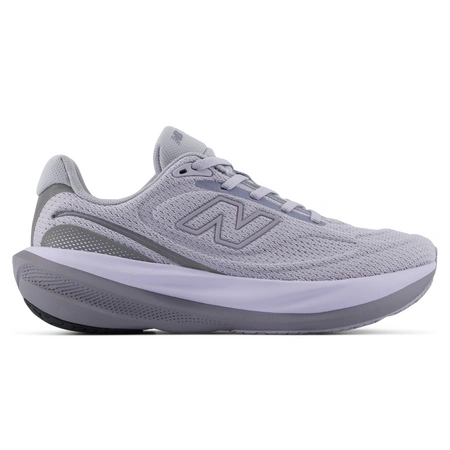
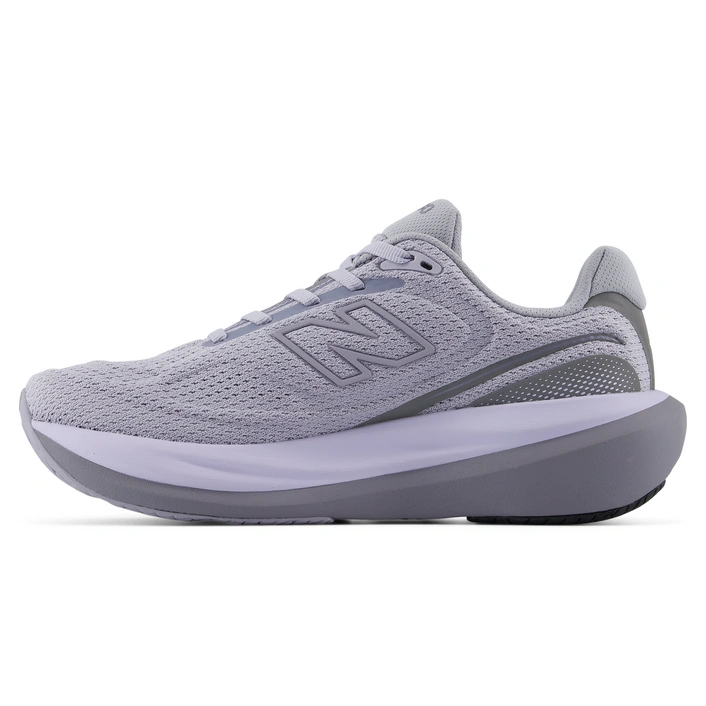
New Balance Women's Running Shoes Infinion 1080 v15 W10802B6
New Balance

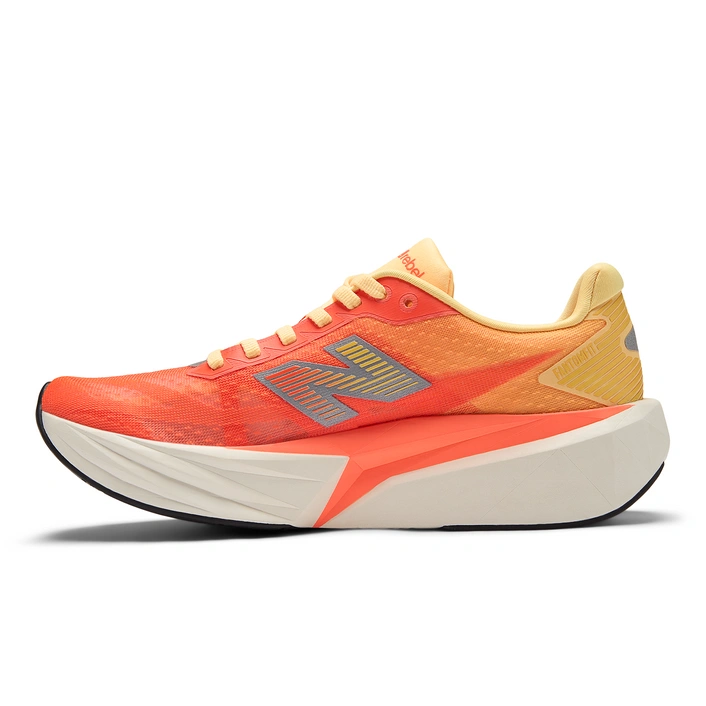

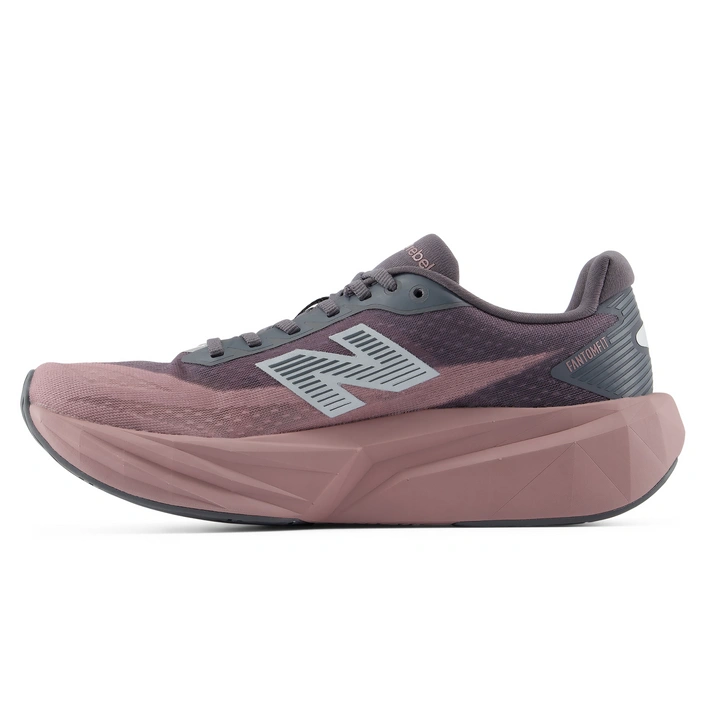
New Balance Women's Running Shoes FuelCell Rebel v5 WFCX3WA
New Balance
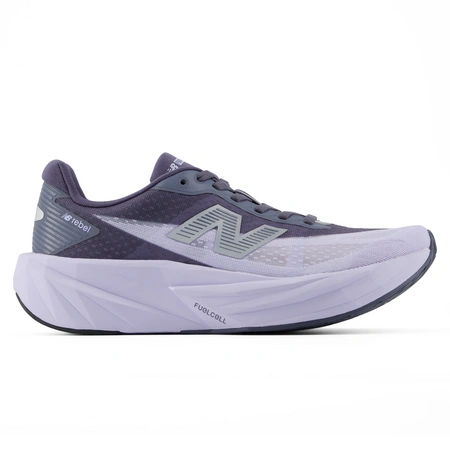
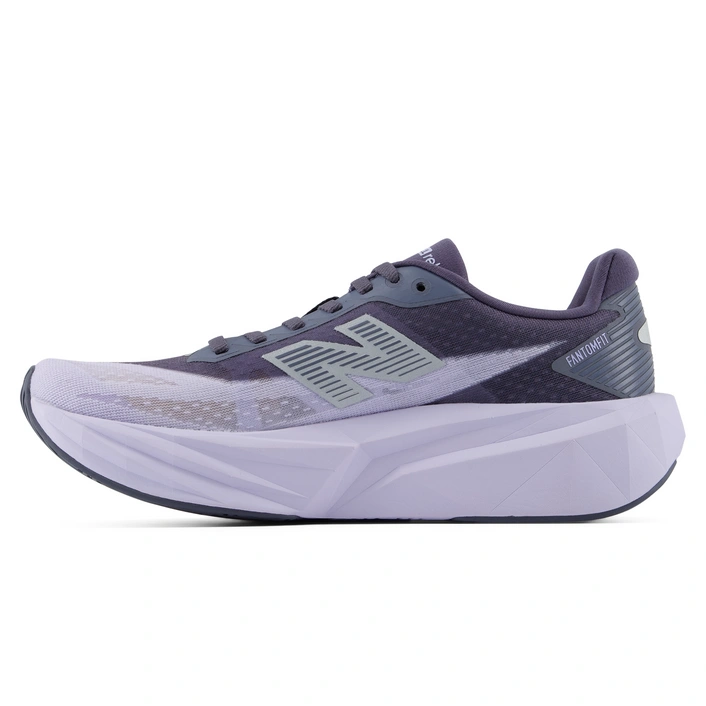
New Balance Women's Running Shoes FuelCell Rebel v5 WFCX5M2
New Balance
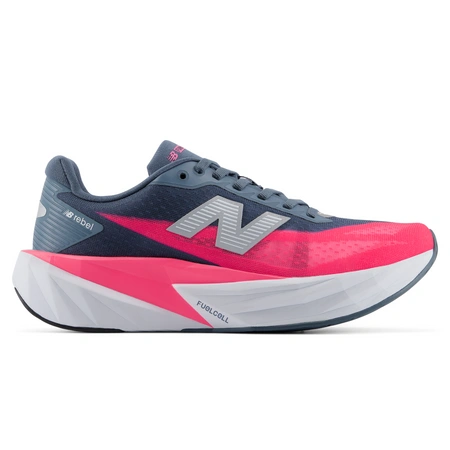
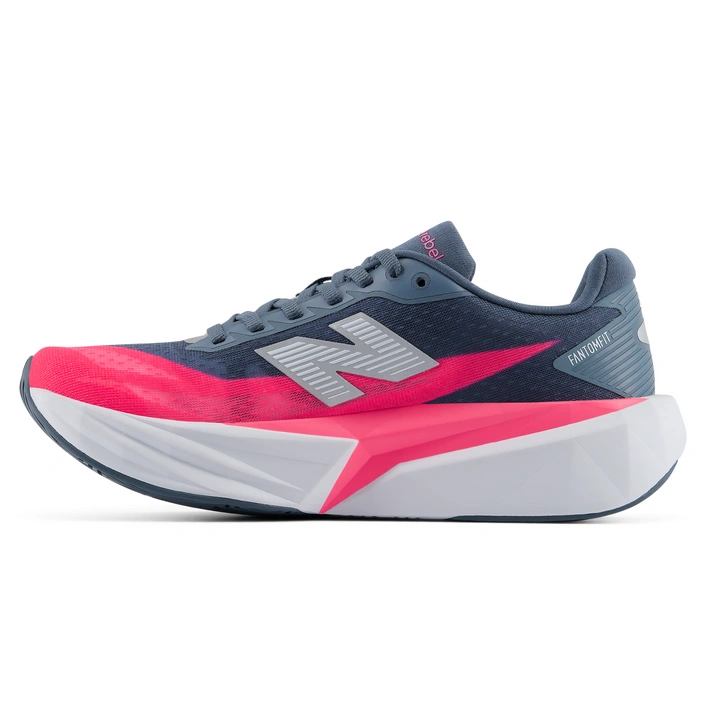
New Balance Women's Running Shoes FuelCell Rebel v5 WFCX589
New Balance

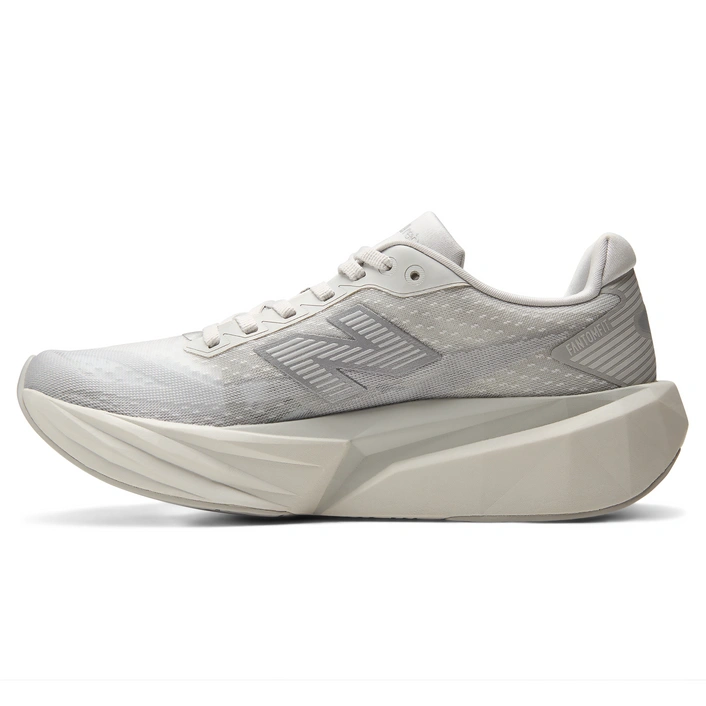

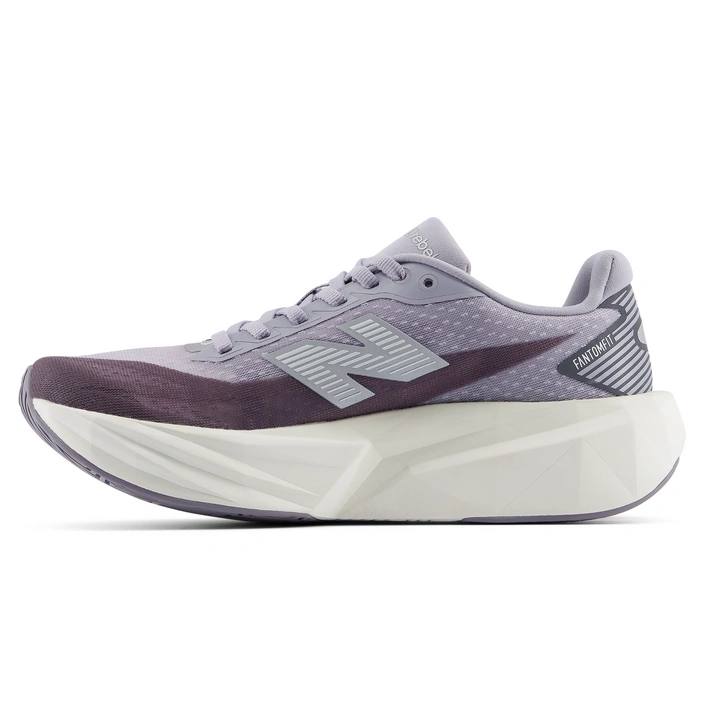
New Balance Women's Running Shoes FuelCell Rebel v5 WFCX906
New Balance

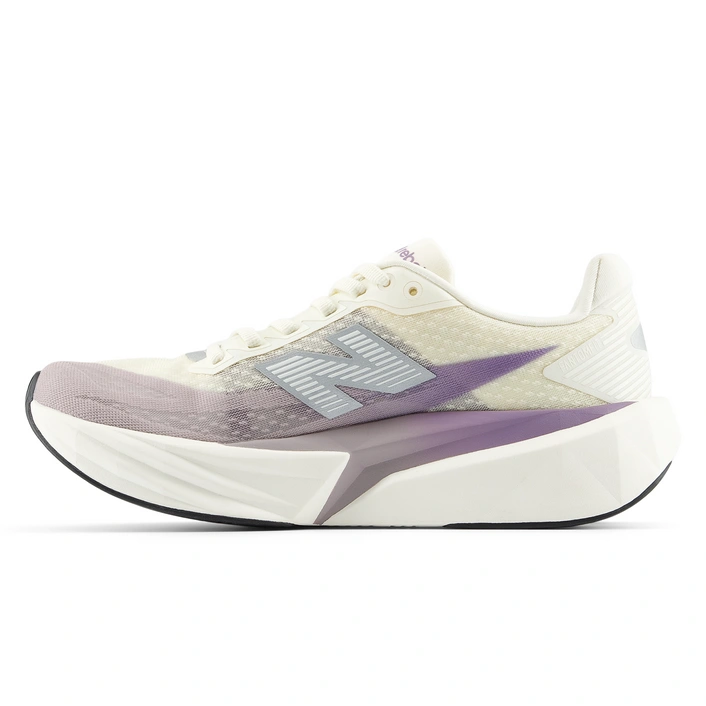
New Balance Women's Running Shoes FuelCell Rebel v5 WFCX3DM
New Balance

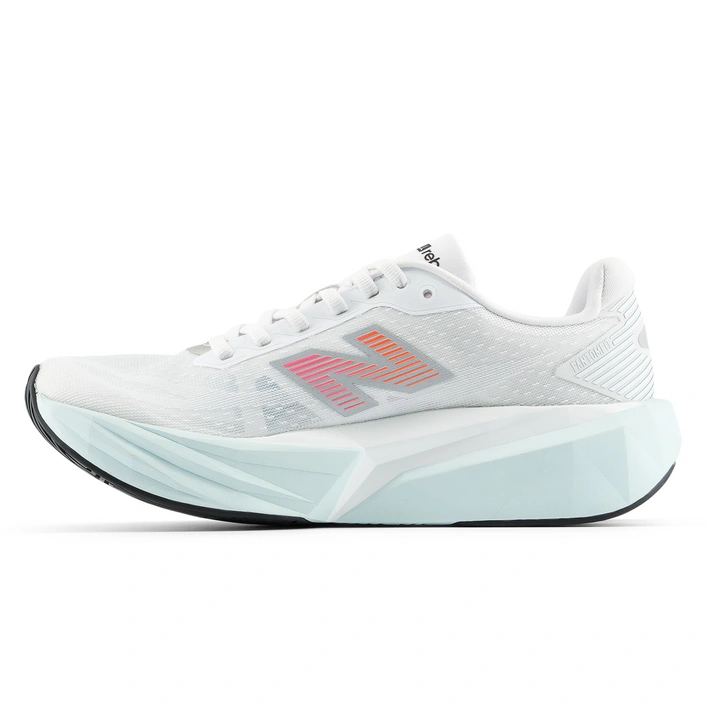
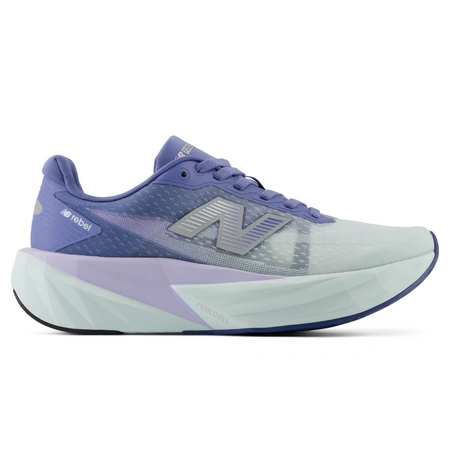
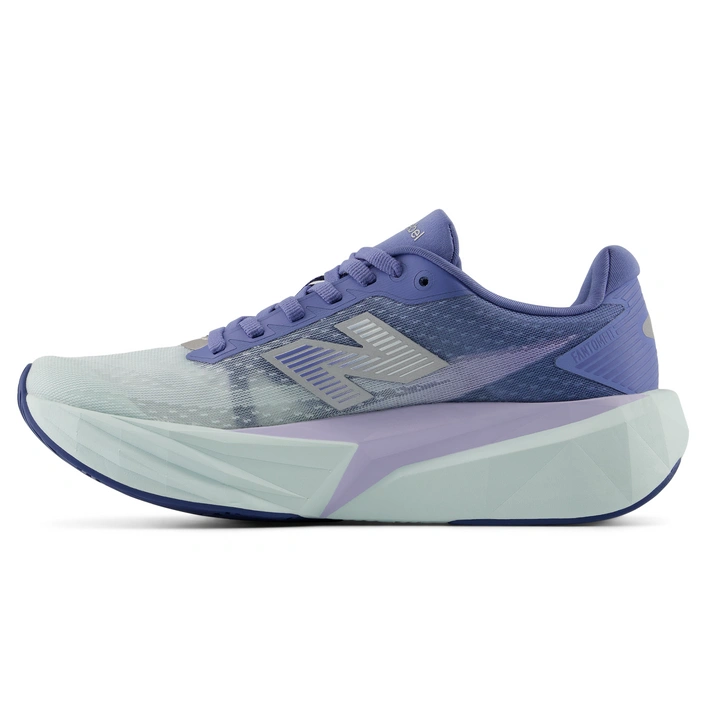
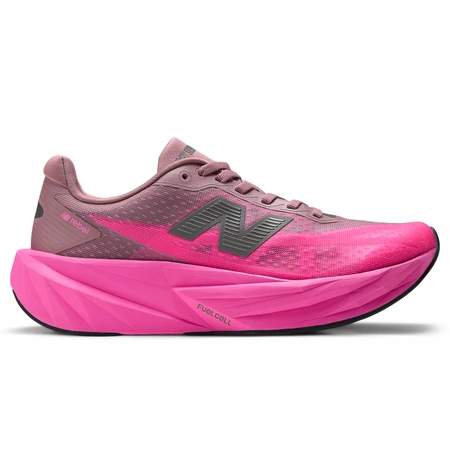
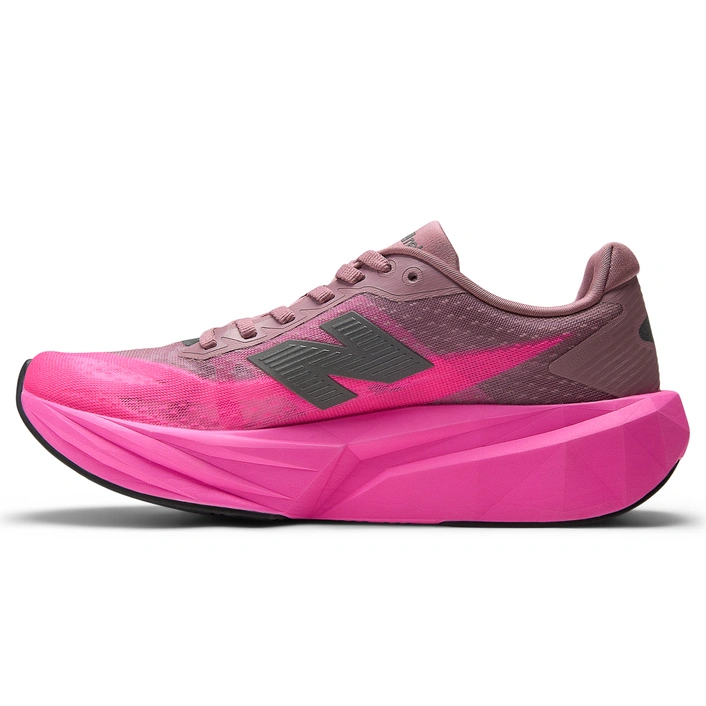
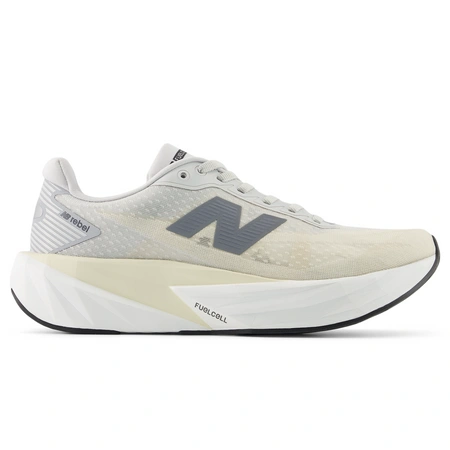
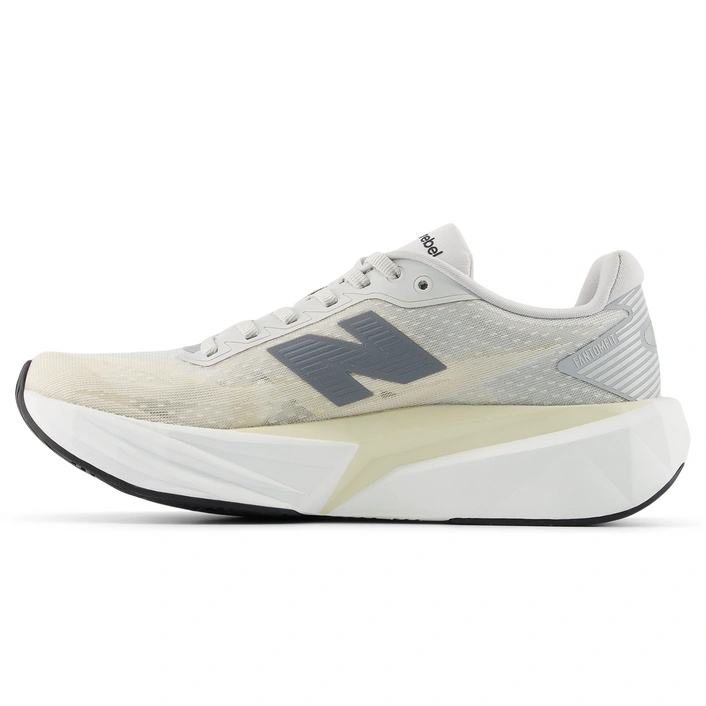

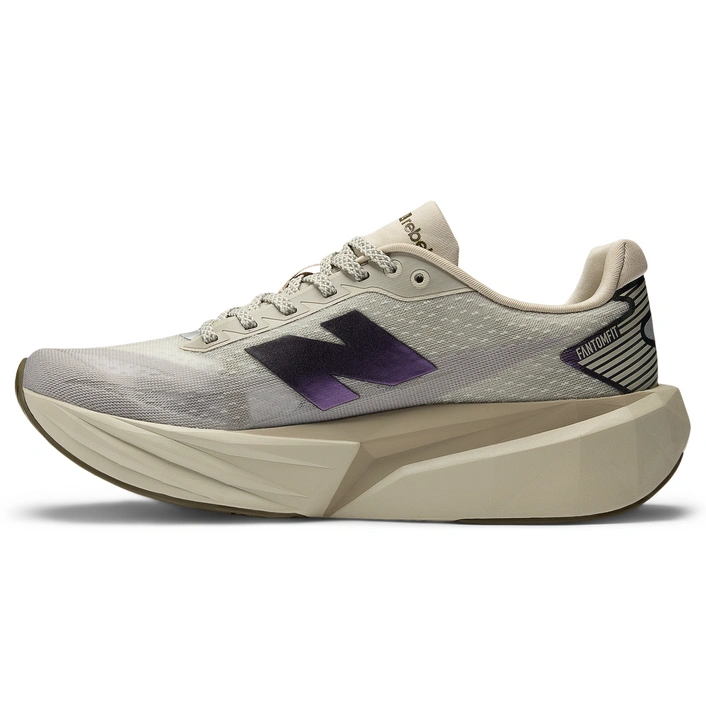
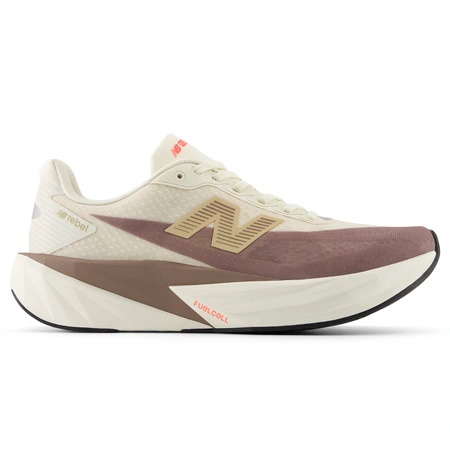
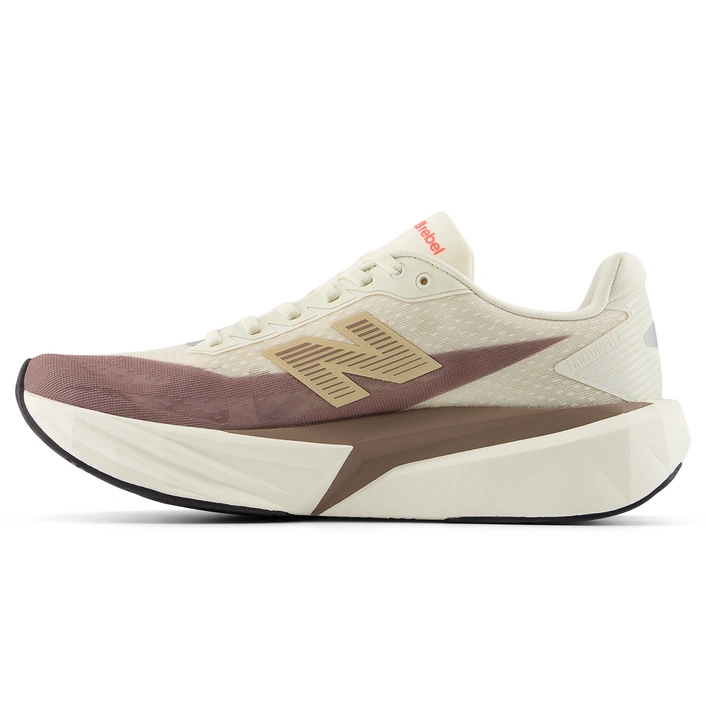
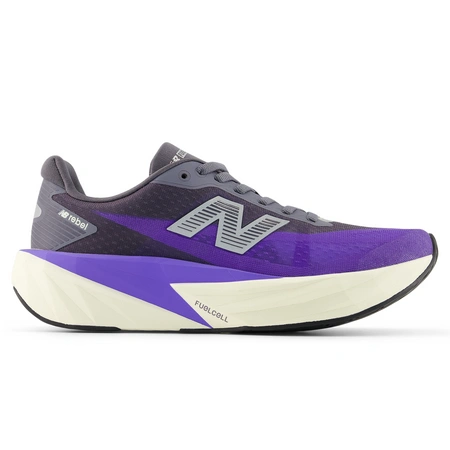
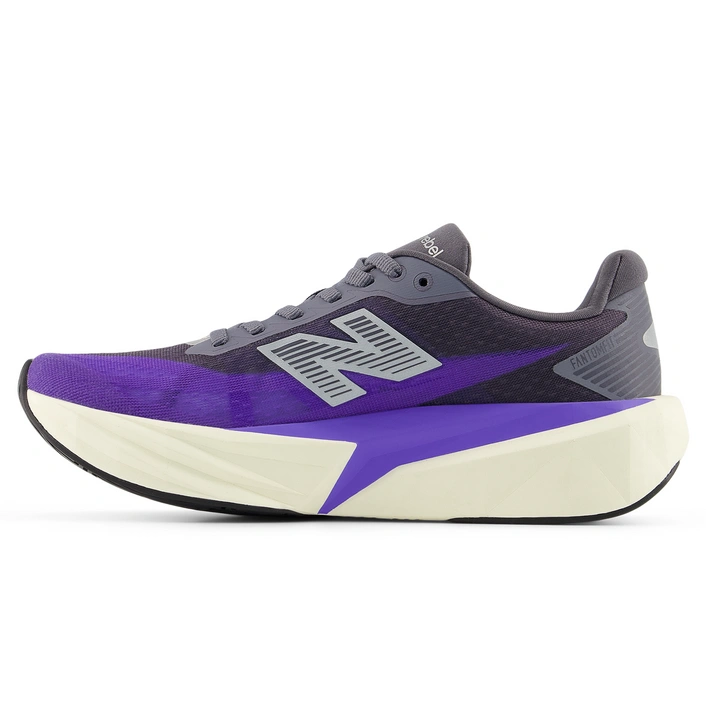
New Balance Women's Running Shoes FuelCell Rebel v5 WFCX8L2
New Balance
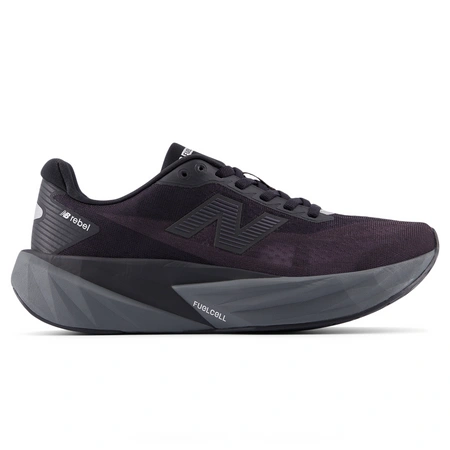
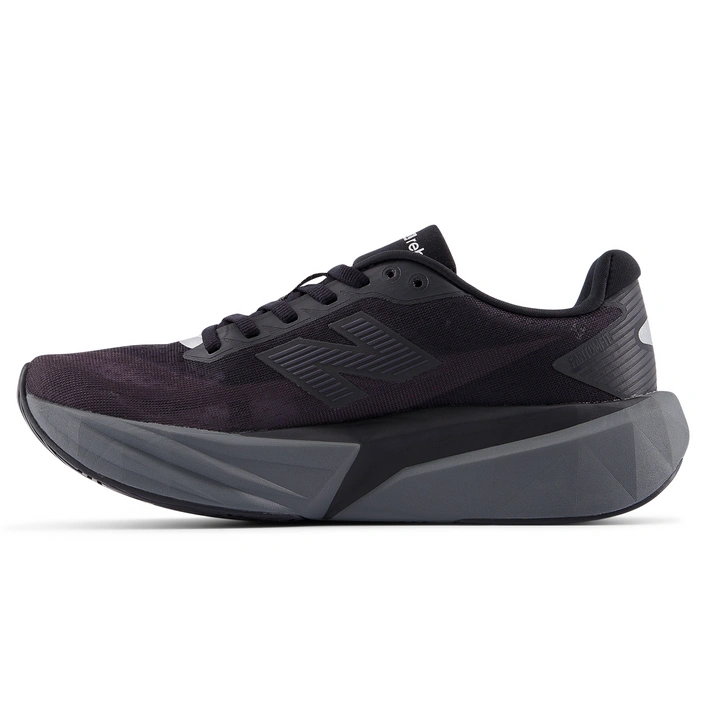

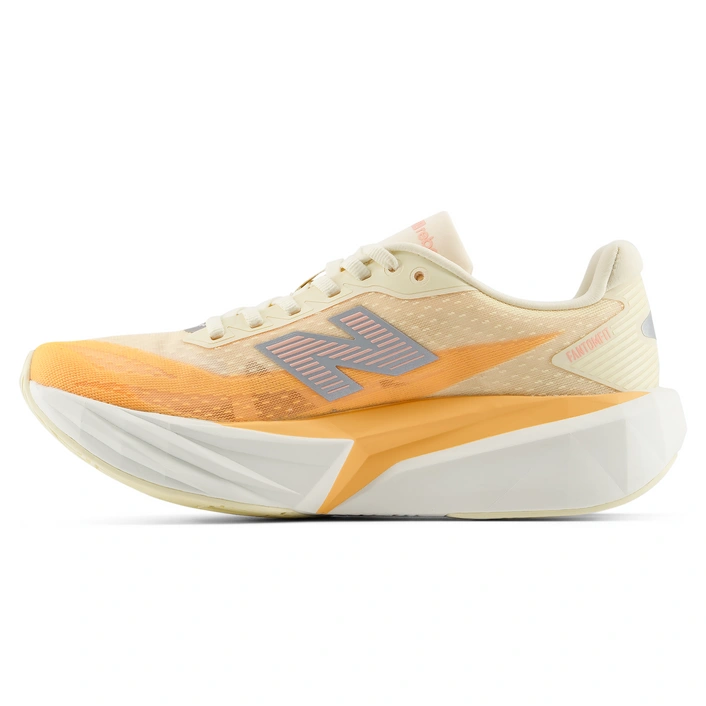
New Balance Women's Running Shoes FuelCell Rebel v5 WFCX8KC
New Balance
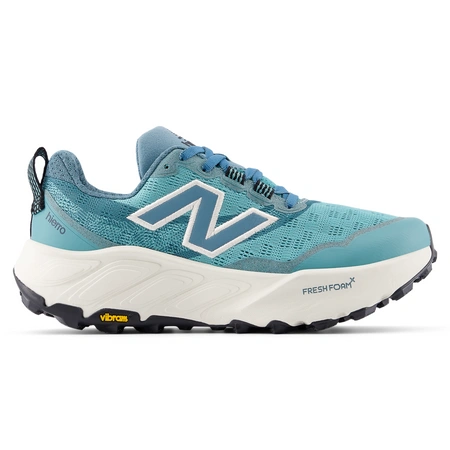
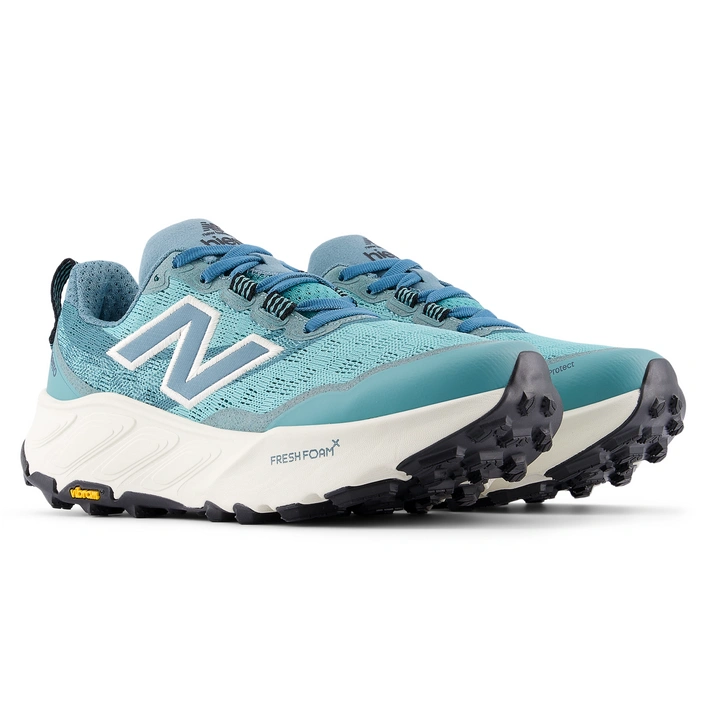
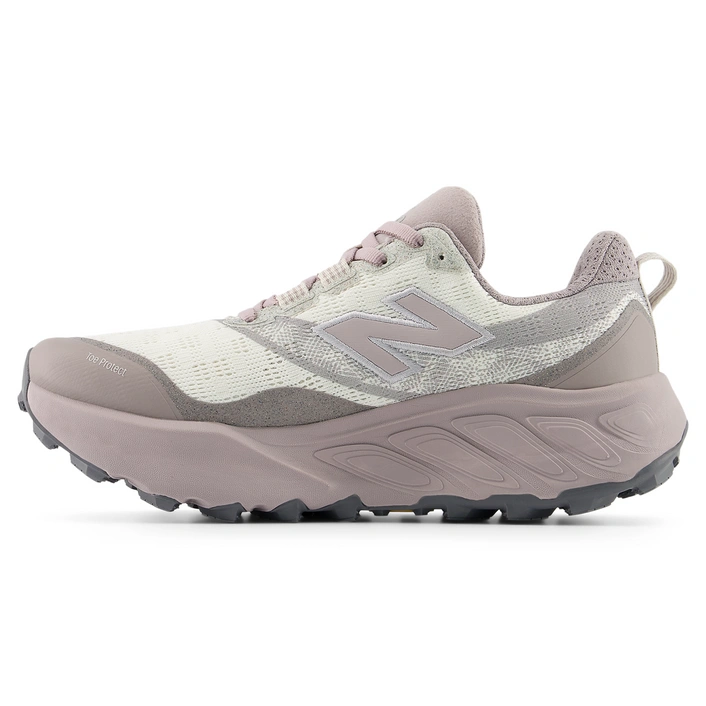
New Balance Fresh Foam X Hierro v9 WHIER6LA
New Balance
Running shoes at RunColors
In this category you’ll find training shoes for everyday miles, models with more cushioning for long runs and trail models for unpaved paths. Many models come in separate women’s and men’s versions – they differ not only in sizing but often also in foam firmness.
On – Cloudmonster, Cloudnova, Cloudsurfer
On builds its cushioning on CloudTec modules and a Speedboard, which provides a distinctive, springy rebound. The Cloudmonster is the model with the most cushioning for training, the Cloudsurfer focuses on a smooth roll-through, whilst the Cloudnova is a lifestyle version that can easily be worn for activities other than running. All feature a lightweight, breathable upper.
How to choose running shoes
Start by considering how much and how you run: for up to three sessions a week, a good neutral running shoe will suffice; for higher mileage, it’s worth having two pairs with different levels of cushioning. Running shoes are usually bought half a size larger than your everyday shoes – your feet swell whilst running. If you’re unsure about your pronation, drop us a line: we’ll advise you based on the shoes you’ve worn so far.
Neutral or with support
A neutral shoe does not interfere with the foot’s natural movement and works well for most runners. Supportive models are for people whose feet clearly roll inwards upon landing. The simplest way to check this at home is to look at the wear pattern on the soles of your current sneakers: even wear indicates a neutral gait, whilst heavy wear on the inside indicates pronation.
When to replace your shoes
The typical lifespan of a running shoe is 600–800 km, but it’s how you feel – not the mileage – that’s the real indicator: if your knees start to ache after a training session, or your feet tire more quickly than before, the foam has most likely lost its bounce. It’s worth keeping a record of the mileage for each pair. Rotating between two pairs not only extends their lifespan but also reduces the risk of overuse injuries, as it changes the distribution of stress between training sessions.
Back to the top and explore the collection at RunColors.